
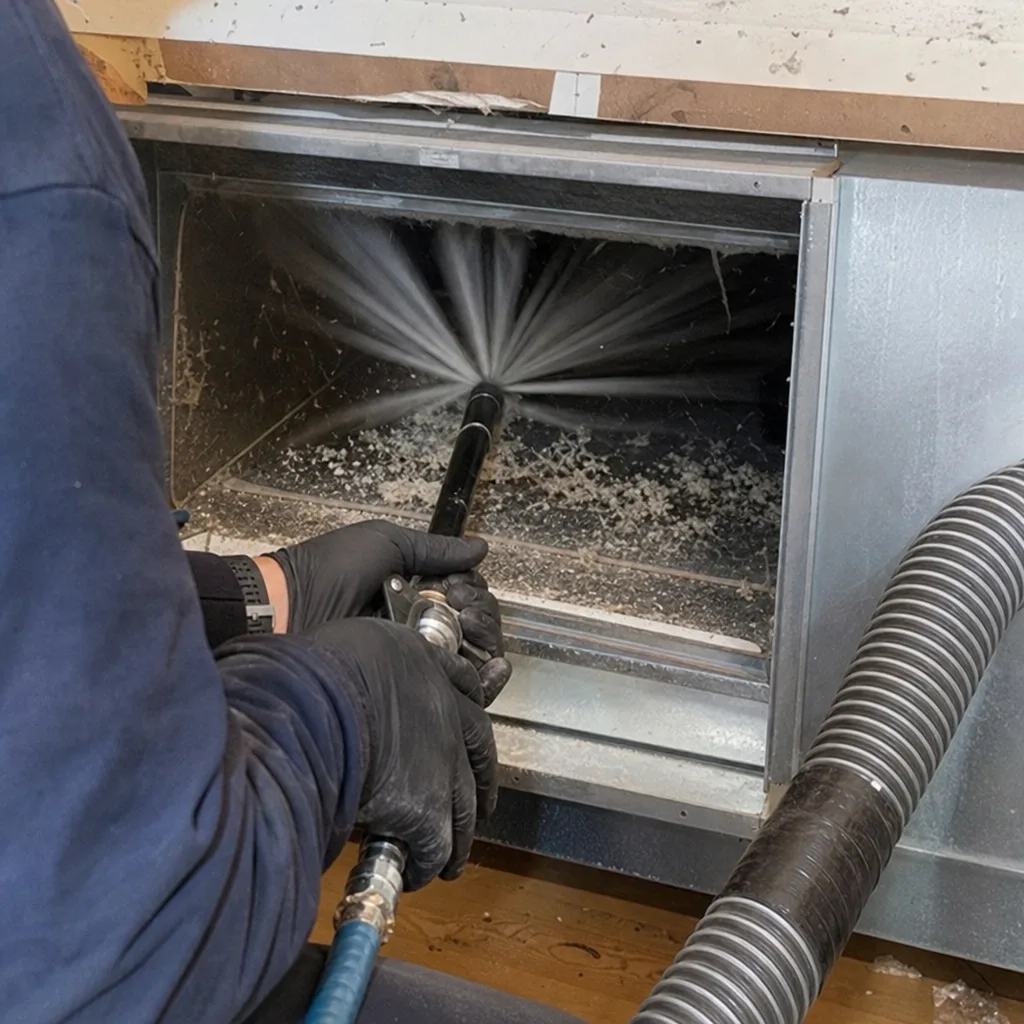
Last updated November 23, 2026
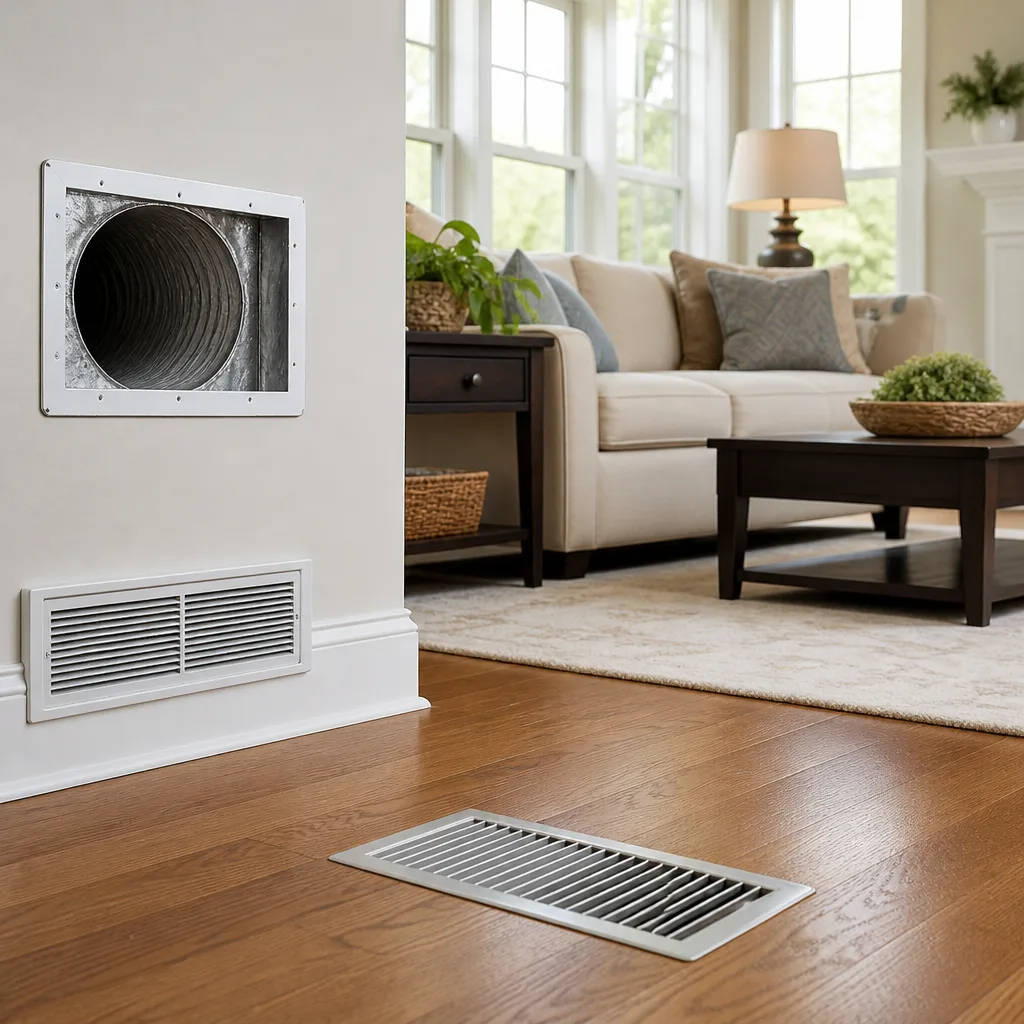 Whole-home duct cleaning
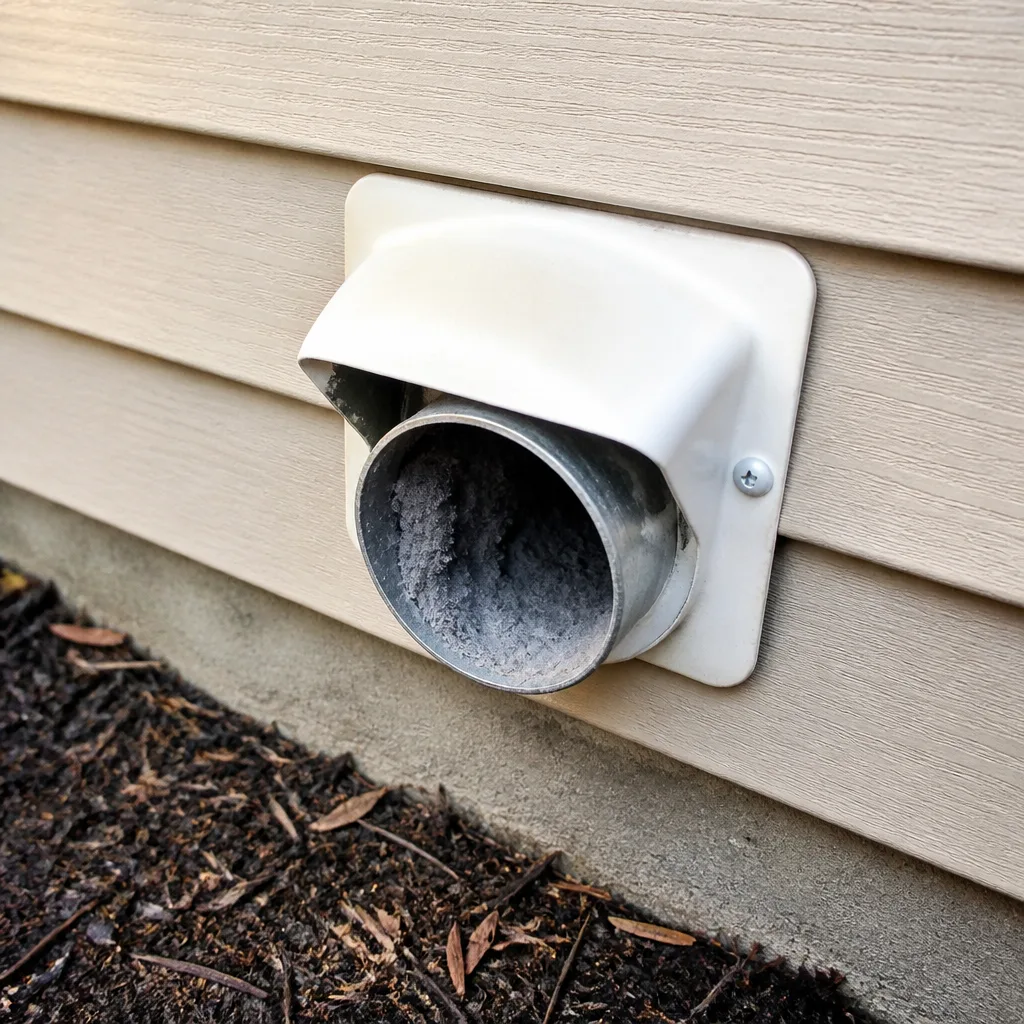 Dryer vent cleaning
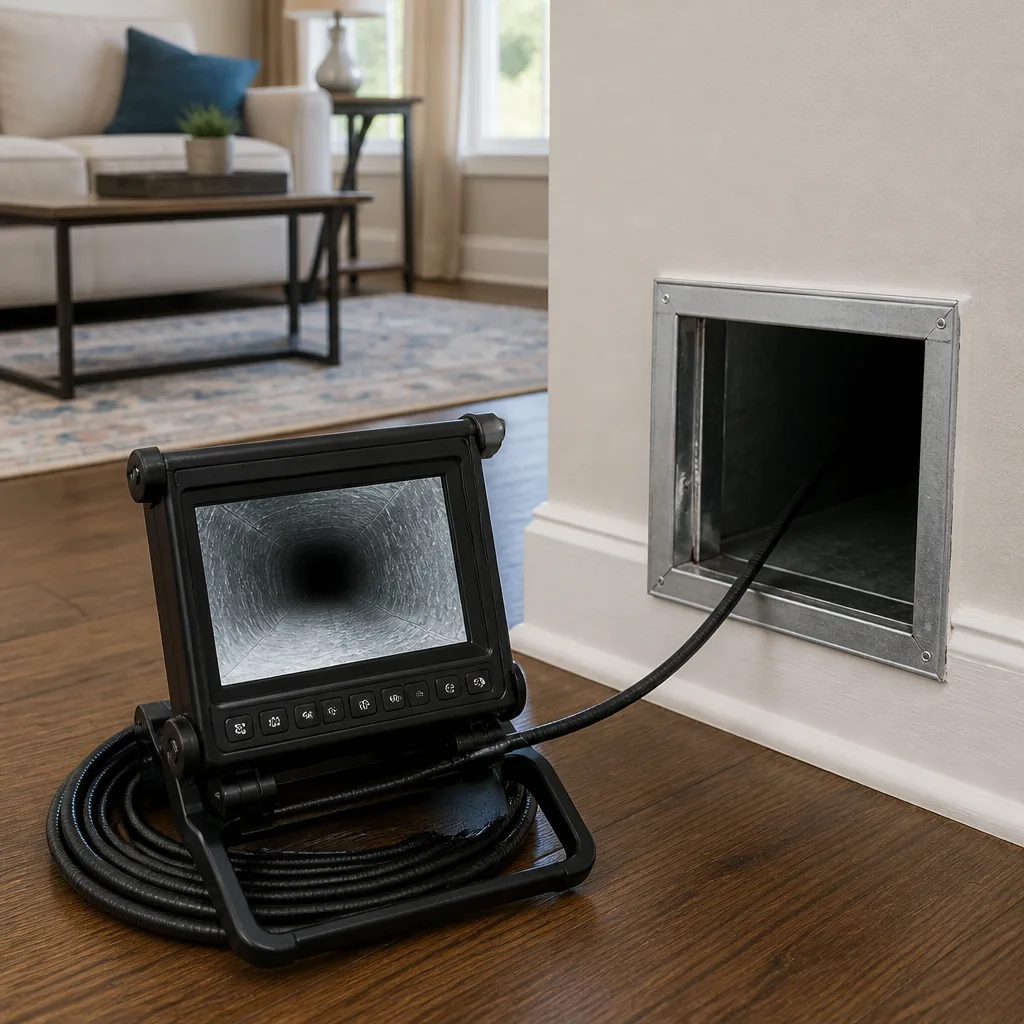 Camera inspection
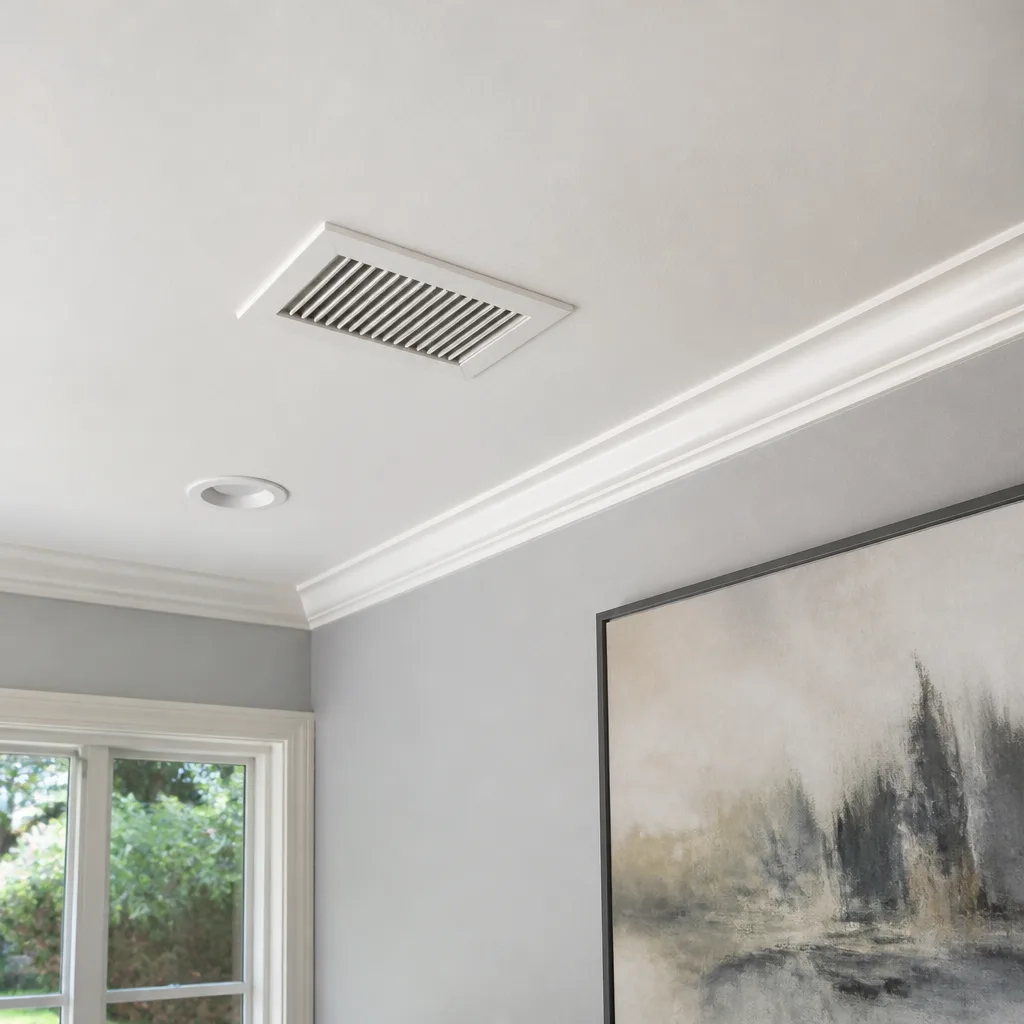 Sanitizing & deodorizing
Whole-system duct and dryer vent check with before-and-after photos - you see exactly what came out of your vents
That "$99 whole-house special" is a bait ad - the real number appears once they are in your hallway, or the "clean" is a shop-vac at the register. We photograph the inside of your ducts before and after instead.
Air Duct Cleaning Maintenance Checklist for Northeast Raleigh Homeowners
Replacing your filter on schedule while never looking at the return grille is a lot like changing your car’s oil but leaving the air intake clogged. The filter is the last line of defense in your system, not the only one. Most duct-cleaning advice hands you a number – clean every three to five years – and calls it a plan. That number ignores your pets, your renovation schedule, the oak pollen that blankets Northeast Raleigh in April, and the wooded lots that send leaf litter and mold spores into return grilles every fall. What follows is a checklist built on conditions you can actually see and measure, tiered by how often you act on them, with the local triggers that matter in this part of Raleigh.
Quick Answer
A useful duct maintenance checklist is condition-based, not calendar-based. Check your filter monthly, inspect every supply register and return grille twice a year, and schedule professional cleaning when you see specific warning signs – visible debris past the grille, a filter that clogs far faster than it used to, musty odors when the system starts, or a recent renovation, pest intrusion, or storm event. In Northeast Raleigh, add spring pollen season (April through May) and fall leaf-mold season to your inspection timing.
Styles & brands we work with
- Whole-home duct cleaning
- Dryer vent cleaning
- Camera inspection
- Sanitizing & deodorizing
Table of Contents
- The Three-Tier Checklist: Monthly, Annual, and Event-Triggered
- What to Look For at Each Register and Return Grille
- Reading Your Filter’s Loading Rate as a Duct Health Signal
- Northeast Raleigh Seasonal Triggers: Pollen, Storms, and Wooded Lots
- What to Document Between Professional Visits
- The Annual Technician Inspection: What Gets Checked and Why
- Don’t Forget the Dryer Vent in Your Maintenance Calendar
The Three-Tier Checklist: Monthly, Annual, and Event-Triggered
The single biggest flaw in most duct maintenance advice is that it treats every home the same. A house with two dogs, a household of four, and an HVAC system running nine months a year loads its ductwork very differently than a two-person home with a recently replaced system. Rather than pick an arbitrary interval, split your tasks into three tiers: what you check monthly, what a technician should inspect annually, and what you schedule when a specific event happens.
Tier 1: Monthly Homeowner Checks
- Inspect the filter. Hold it up to light. If you can’t see through it, replace it. Note the date on the frame with a marker so you can track how long it lasted.
- Wipe the return grille face. A dry cloth across the grille bars takes thirty seconds and tells you whether dust is settling faster than normal.
- Look into one or two registers with a flashlight. Choose the register closest to the air handler and the one farthest from it. Those two show you the range.
- Note any new odors. A musty smell on startup is a different problem from a dusty smell, and each points somewhere different.
Tier 2: Annual Technician Tasks
Once a year, before cooling season starts, have the system’s mechanical components inspected. That means the evaporator coil, the blower wheel, and the drain pan. Dust that coats a blower wheel throws it out of balance, and a fouled coil loses capacity quietly. Our HVAC cleaning service covers these components alongside the ductwork, because cleaning ducts without addressing a dirty blower just re-contaminates the system.
Tier 3: Event-Triggered Tasks
- After any renovation that involved drywall, sanding, or demolition. Fine gypsum dust travels through the entire air pathway and settles in duct runs.
- After a pest intrusion – rodents, squirrels, or insects in the attic or crawlspace leave droppings and nesting material in ductwork.
- After any water intrusion that reached ductwork or the air handler. Moisture plus dust is the recipe for microbial growth.
- After a named storm pushes debris or drives water into attic spaces.
What to Look For at Each Register and Return Grille
Homeowners often ask how to tell normal dust from a problem. The distinction comes down to location and pattern. Normal dust settles lightly and evenly on grille faces between cleanings. Problem accumulation shows up inside the duct, past the grille, or in a pattern that changes over weeks rather than months.
Here’s what separates the two:
- Light, even film on the grille face: Normal. Wipe it off and move on.
- Dark streaks radiating from the grille into the room ceiling or wall: Air is escaping around a poorly sealed boot. That’s a sealing issue, not a cleaning one, and our air duct cleaning visits include sealing checks for exactly this reason.
- Visible dust mat or debris clinging to the inside of the duct, visible with a flashlight past the grille: Overdue for cleaning.
- Return grilles that are noticeably dirtier than supply registers: Normal to a degree, because returns pull air in. But a heavy, fibrous mat on a return face suggests upstream debris is shedding off duct walls.
- Black or greenish spotting inside ductwork: Possible microbial growth. Stop and get it assessed before running the system heavily.
- Loose debris, insulation fibers, or pest droppings visible past a register: Call for an inspection. Don’t run the fan until it’s assessed.
One practical tip: check the register nearest your air handler and the one farthest from it. If both look similar, your distribution is probably balanced. If the near register is heavily soiled and the far one is clean, debris is likely dropping out early in the run, which points to a specific section worth inspecting.
Reading Your Filter’s Loading Rate as a Duct Health Signal
Your filter is a diagnostic tool, not just a consumable. If you track how long a filter lasts before it needs replacing, you have a rough proxy for how much particulate your system is moving. A filter that used to last three months and now clogs in three weeks is telling you something upstream has changed – duct walls are shedding debris, a return path has opened, or a nearby construction project is pushing dust into the system.
Start a simple log. Write the install date on the filter frame. When you replace it, note the date and the visible condition: light gray, dark gray, matted, or collapsed. After three or four cycles you’ll have a baseline. From that point, any significant shortening of the interval is your cue to look deeper.
Filter selection matters too. A high-MERV filter captures more fine particulate but loads faster, and if the system wasn’t designed for it, it can restrict airflow. If you’re unsure what your system can handle, ask during your next service visit. We work with Air Duct Cleaning Northeast Raleigh customers on filtration questions regularly, and the right answer depends on the equipment, not a universal recommendation.
What a Fast-Loading Filter Usually Means
- Duct walls are shedding debris. Common in older homes where the duct liner has begun to break down.
- A return path is pulling from an unconditioned space. Attic or crawlspace air bypassing the return plenum delivers extra dust.
- Recent construction or renovation. Fine dust from drywall work recirculates for weeks.
- Pets in the home. Hair and dander load filters quickly, and that’s a household characteristic, not a duct failure.
- Nearby outdoor activity. Landscaping, roadwork, or new construction adjacent to the home.
Rule out the simple causes first. If none apply, the filter is telling you to get the ductwork inspected.
Northeast Raleigh Seasonal Triggers: Pollen, Storms, and Wooded Lots
Northeast Raleigh has a specific seasonal rhythm that affects ductwork more than generic advice acknowledges. Three windows matter most.
April and May: Spring Pollen Peak
Pine and oak pollen in this part of Wake County coats every outdoor surface in a yellow-green film for several weeks each spring. That pollen doesn’t just sit on cars; it gets drawn into return air intakes when windows are open during the mild weeks before cooling season starts. If you run the system with windows open (which many households do in April), you’re pulling pollen directly into the ductwork. Inspect return grilles in mid-May and note whether accumulation looks heavier than the fall check.
Summer and Early Fall: Storm Season and Hurricane Remnants
When tropical systems track inland across North Carolina, they push heavy rain and wind-driven debris. Homes in Northeast Raleigh with attic ductwork are especially exposed to intrusion through soffit and ridge vents. After any named storm, check attic ductwork for moisture, displaced insulation, or visible debris. Water intrusion into ductwork is a call-a-professional situation, not a wait-and-see.
October and November: Leaf Mold from Wooded Lots
Neighborhoods like Traditions and Laurel Hills sit among mature hardwoods, and the leaf drop in fall generates a persistent mold load as wet leaves break down. That mold spore load doesn’t stay outdoors; it enters through returns and outdoor air intakes. Homes on wooded lots often need inspection in late fall rather than the spring check a city lot would use. If you live in either neighborhood, note your fall register condition and compare it to your spring baseline.
A Quick Seasonal Calendar
- March: Filter change and system check before cooling season.
- April-May: Pollen season. Inspect return grilles mid-May.
- June-September: Storm season. Post-storm attic and duct inspection after any named system.
- October-November: Leaf mold season. Inspect if you’re on a wooded lot.
- December-February: Heating season. Watch for that dusty smell on startup.
What to Document Between Professional Visits
The most useful thing you can bring to a professional visit is a record. A technician walking into a home with no history is working from scratch – inspecting what’s visible today with no sense of how fast conditions have changed. If you hand them a log with three years of filter dates and photos, they can give you a much more accurate recommendation about whether cleaning is overdue or whether you’re on track.
Here’s what to track:
- Filter install dates and visible condition. Write the date on the frame. Photograph the filter before you throw it out. A quick phone photo takes five seconds.
- Register and return grille photos. One per season, taken with a flashlight aimed into the duct past the grille.
- HVAC runtime hours, if your thermostat reports them. Runtime tells you how much air has actually moved through the system since the last cleaning.
- Odor notes. Any new smell, when it started, and whether it fades after a few minutes of running.
- Event log. Renovation dates, pest sightings, storm dates, and any water intrusion.
- Past service records. Date, scope, and equipment used. This is where knowing whether the previous visit used commercial-grade equipment matters.
This log also protects you. A basement contractor who shot drywall dust into your return system can’t argue the ductwork wasn’t affected if you have photographs from the week before. In our experience, homes with a written log get more accurate recommendations and avoid unnecessary cleaning.
The Annual Technician Inspection: What Gets Checked and Why
An annual inspection is where the checklist earns its keep. A homeowner can see register faces and filter loading; a technician can see the air handler, coil, blower, and duct interior. Those are the components that determine system efficiency and indoor air quality, and they’re the ones you can’t assess from the hallway.
Here’s the scope a thorough inspection covers:
- Evaporator coil inspection. A fouled coil loses cooling capacity and drives up run time. Look at it annually.
- Blower wheel check. A dust-loaded blower loses balance and efficiency. It’s one of the most overlooked components in a residential system.
- Drain pan and drain line. Standing water breeds growth. If the pan is holding moisture or the line is clogged, that’s the source of many “musty” complaints.
- Duct interior inspection at multiple points. Supply trunk, branch runs, and return path all inspected separately, not just the nearest register.
- Sealing check at boots and plenum connections. Leaky joints pull in attic or crawlspace air, which is unfiltered and often dirtier than interior air.
- Filtration assessment. Whether the current filter is appropriate for the equipment and load, and whether an upgrade makes sense.
When cleaning is warranted, the equipment matters. Our technicians have up to 13 years of experience, and we bring commercial-grade hardware: Rotobrush rotary-brush systems for mechanical agitation of duct walls, Nikro HEPA-filtration equipment for negative-pressure containment so contaminants get captured rather than redistributed into your living space, and Abatement Technologies tools for remediation-grade particulate capture in allergen-heavy homes. That’s the same class of equipment used by HVAC remediation contractors, not the consumer-grade gear that generalist cleaning crews bring.
Don’t Forget the Dryer Vent in Your Maintenance Calendar
Duct maintenance doesn’t stop at the HVAC system. Your dryer vent is part of your home’s air pathway, and lint accumulation in dryer vents is a leading cause of residential house fires. That makes dryer vent cleaning a safety task, not just a comfort or efficiency one, and it belongs on the same checklist.
Check the vent annually. Pull the dryer out slightly and look at the transition duct behind the unit. If lint is packed against the back of the dryer or visible at the exterior damper, the vent needs clearing. If clothes take longer than they used to or the dryer feels hot to the touch after a cycle, that’s a signal too. Our dryer vent cleaning addresses the full run from dryer to exterior, including the interior of the duct where lint packs against the walls.
Households with heavy laundry loads, long vent runs, or multiple stories often need it more frequently than once a year. Older homes in Northeast Raleigh with original vent routing are often longer than modern code allows, which makes annual checks more important, not less.
Common Mistakes to Avoid
- Cleaning only the visible registers. The registers are the least important part. The dust that matters is on duct walls and in the plenum closet, which requires proper equipment to reach.
- Judging duct condition by the filter alone. A clean filter doesn’t mean clean ducts. Gypsum dust, insulation fibers, and settled debris can sit in duct runs for years without ever reaching the filter in meaningful quantity.
- Scheduling by calendar interval only. “Every three years” is a rule of thumb, not a measurement. A household with pets, recent renovation, and open windows in April loads its system very differently than a house that runs closed year-round.
- Ignoring a musty smell. Odor is a genuine signal. Most homeowners try to cover it with air fresheners first. If it comes back within a week, that’s the ductwork talking.
- Skipping the audit after a renovation. A single drywall project can deposit fine dust through an entire duct network, and homeowners often wait a full season before addressing it, letting it settle and bind to duct walls.
- Assuming any cleaner with a vacuum is equipped. Consumer-grade vacuums redistribute fine particulate into living space. Ask what equipment is used before the visit, and expect a specific answer – names like Rotobrush, Nikro, or Abatement Technologies, not “professional equipment.”
- Leaving the dryer vent off the list. Lint buildup in the vent is a fire risk that has nothing to do with comfort. It belongs on the same annual checklist as the HVAC inspection.
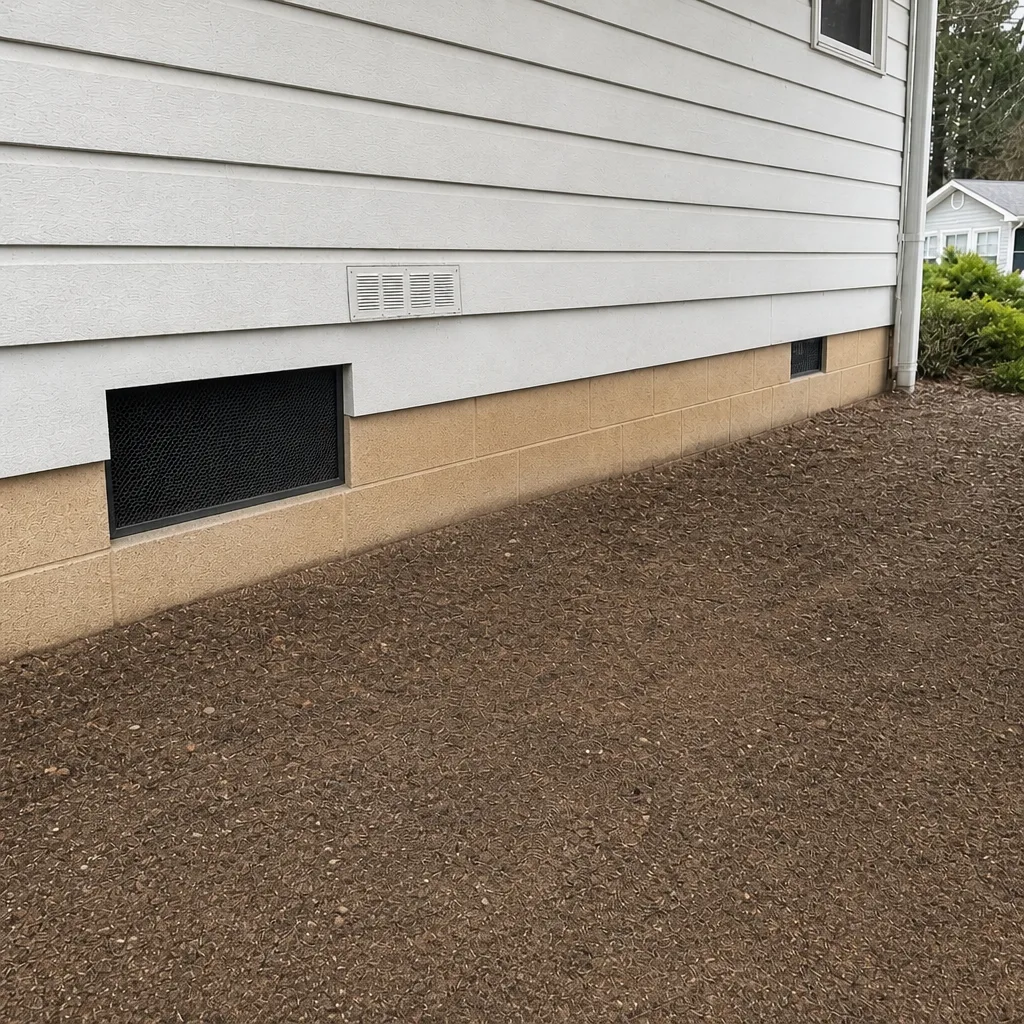
See the difference
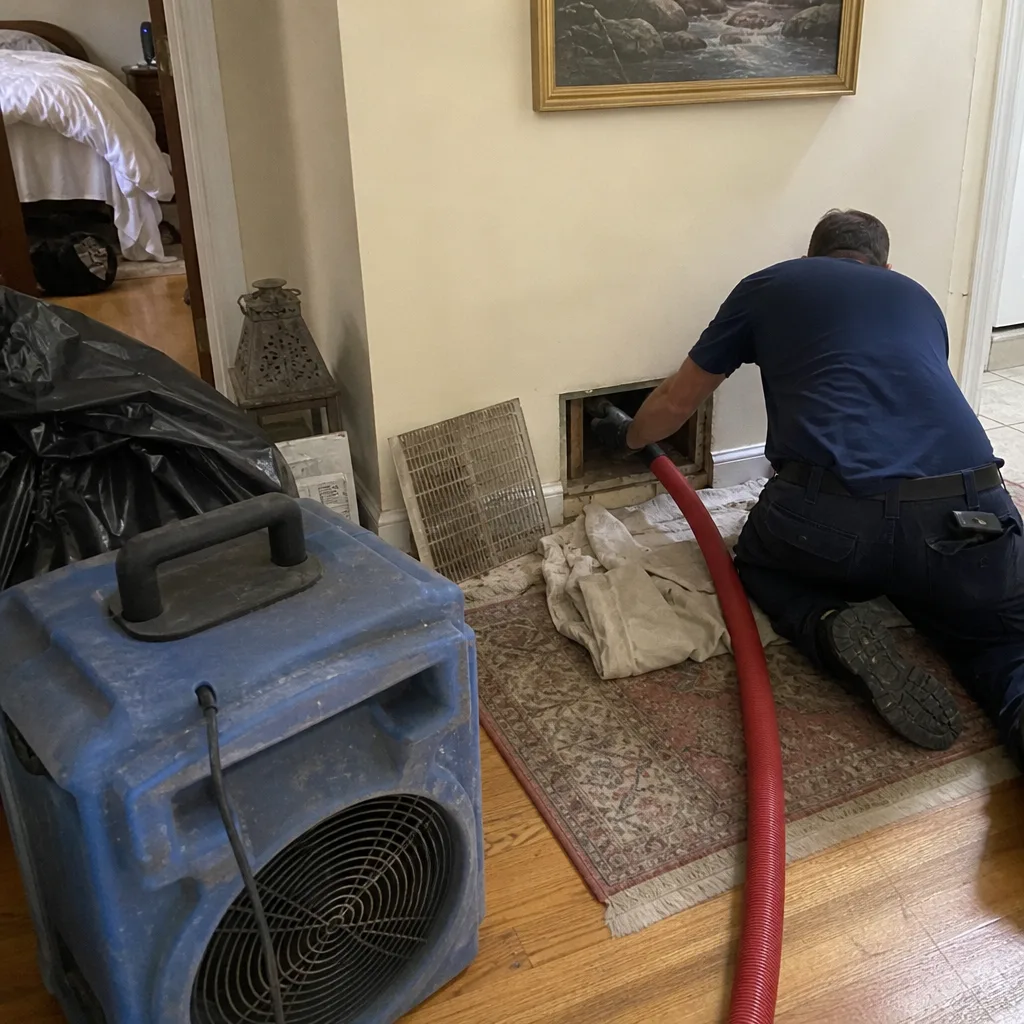 Before
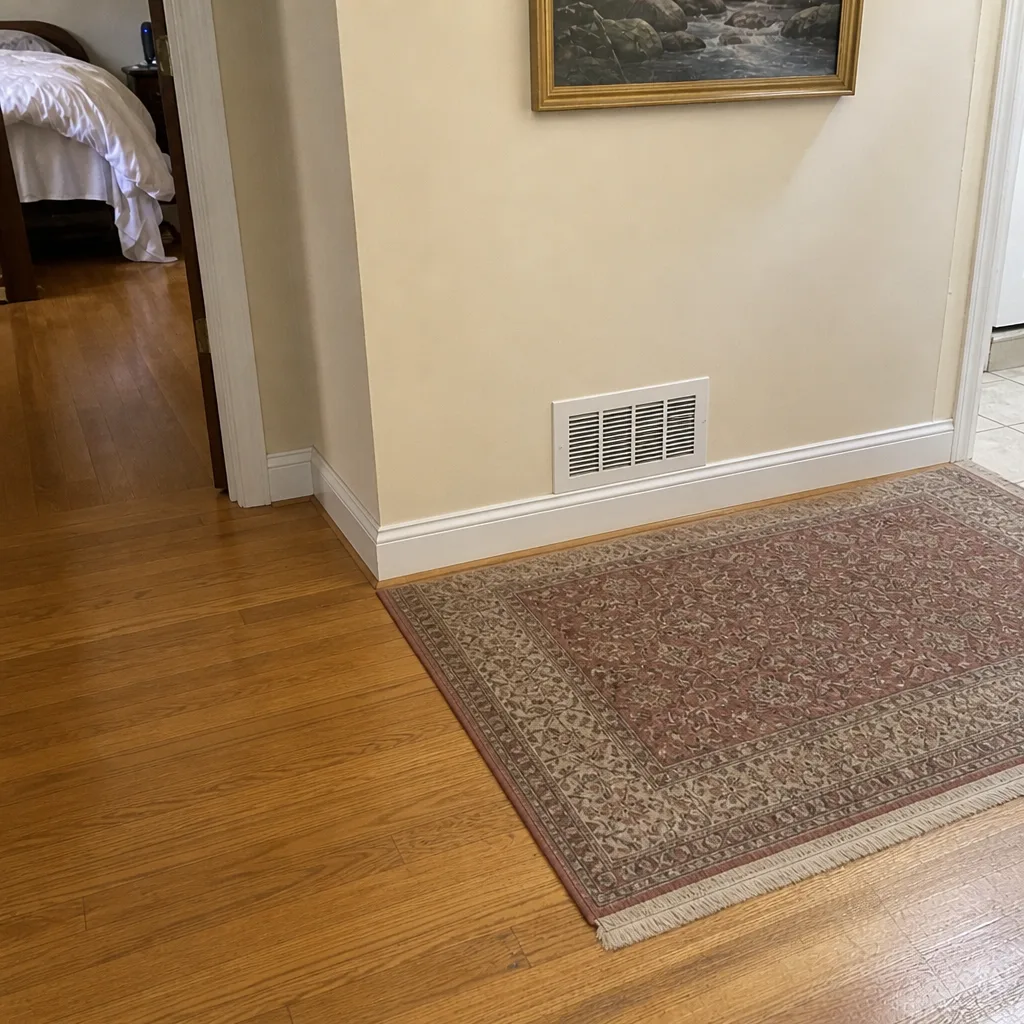 After
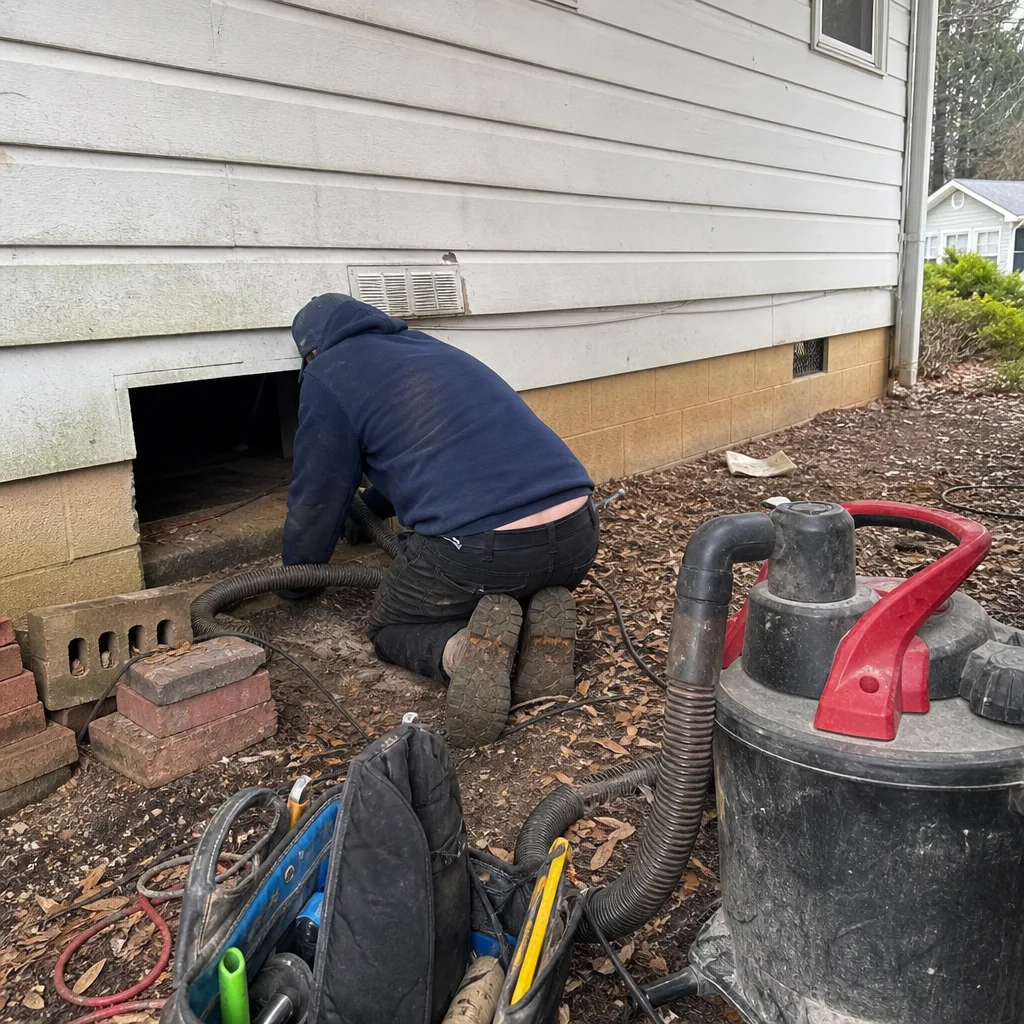 Before
 After
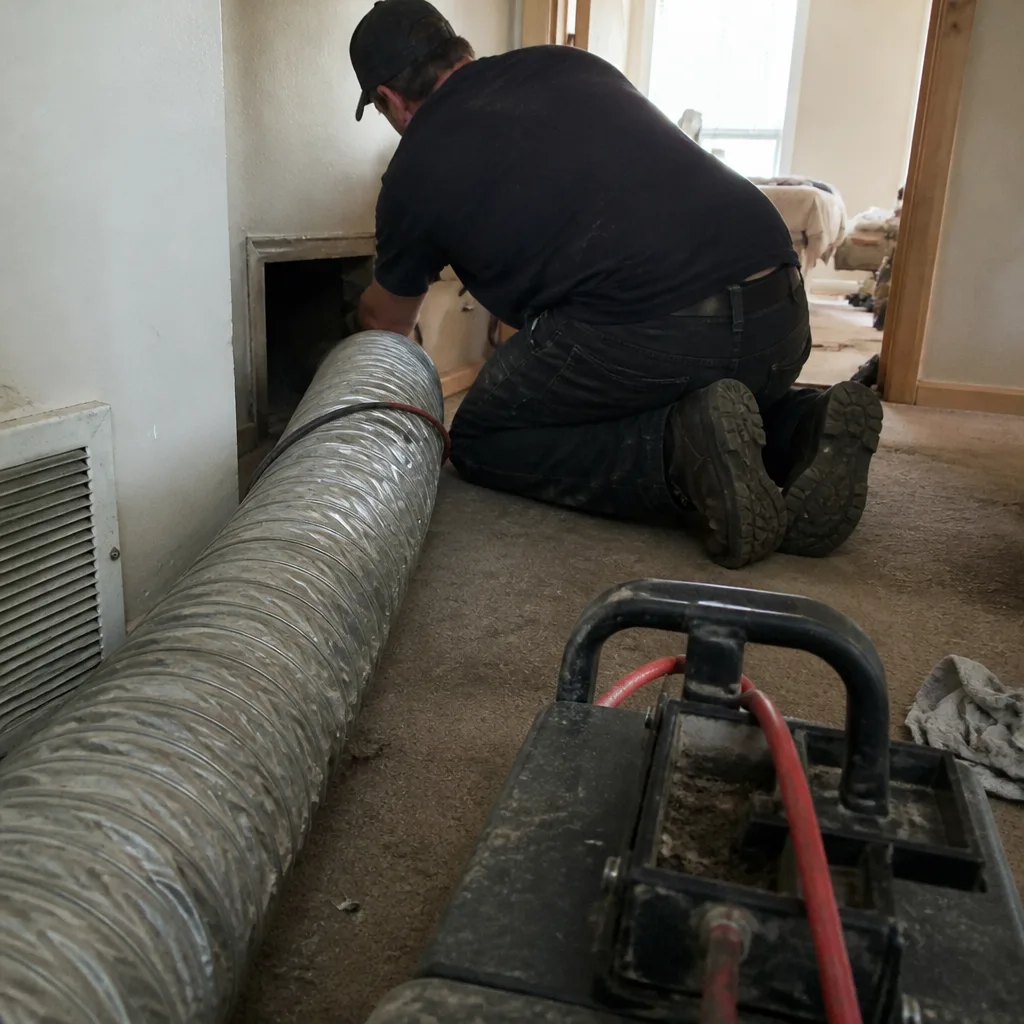 Before
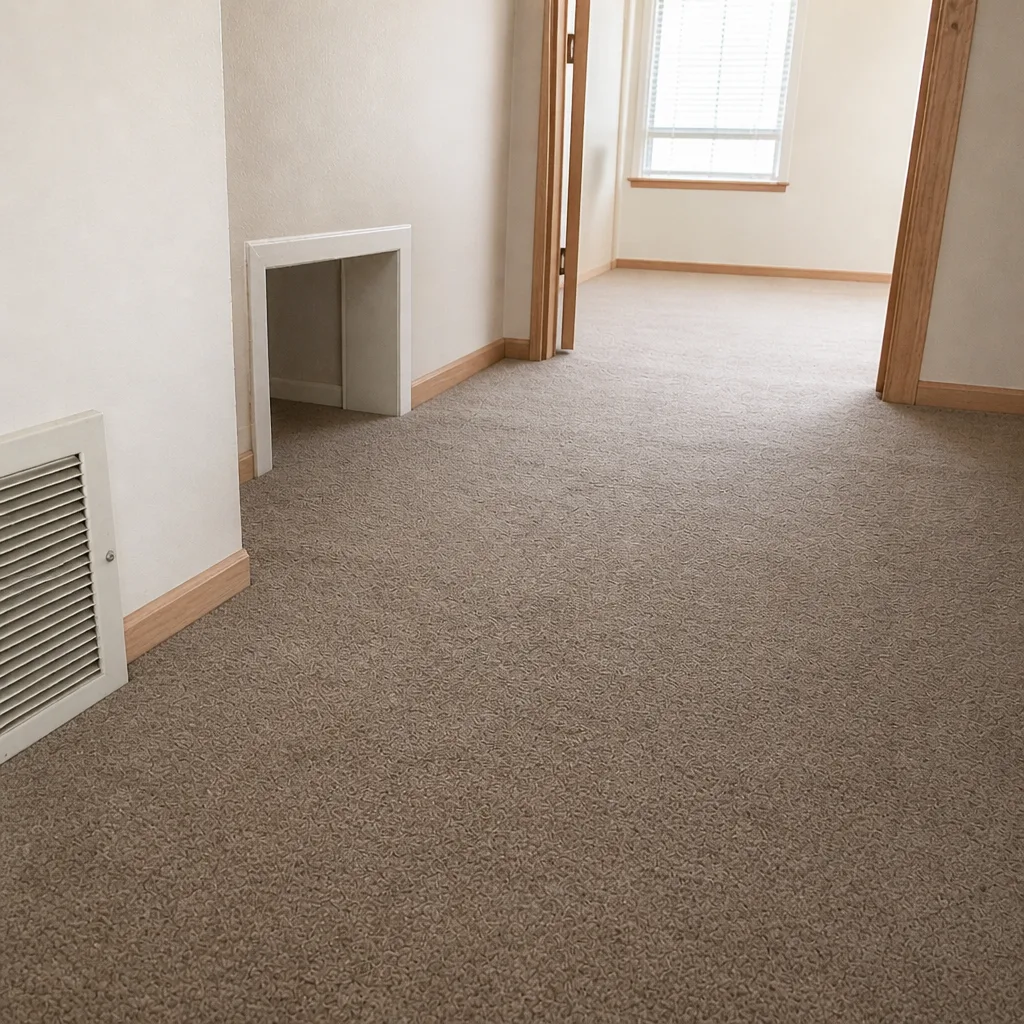 After
When to Call a Professional
Some conditions are clearly a homeowner check. Others are clearly a professional call. If you see visible debris or microbial growth inside a duct, if you have pest droppings or nesting material in ductwork, if any water intrusion reached ducts or the air handler, or if a filter is clogging far faster than it used to with no obvious explanation, schedule an inspection. The same applies after any renovation involving drywall or demolition, and after a storm that pushed debris or water into attic spaces.
Beyond those hard triggers, a professional inspection is worth scheduling annually if you have allergies, multiple pets, an HVAC system over a decade old, or ductwork that has never been cleaned since you moved in. Air Duct Cleaning Northeast Raleigh offers free estimates in Northeast Raleigh – call (833) 350-5194. We answer 24/7, and fast dispatch runs from 7am to 7pm, Sunday through Friday.
We handle all five service categories in one visit – duct cleaning, dryer vent cleaning, HVAC cleaning, air quality and sanitizing, and duct repair and sealing – so you don’t have to coordinate multiple vendors to get the whole air pathway addressed. Cleaner ducts, confirmed by before-and-after inspection, are what the visit is designed to produce.
Frequently Asked Questions
Most homes benefit from cleaning every three to five years, but the honest answer is condition-based. Homes with pets, recent renovation, allergy sufferers, or wooded-lot exposure (like Traditions or Laurel Hills) often need it sooner. Start with a visual inspection of your supply registers and return grilles, and if you see debris past the grille or rapid filter loading, schedule an assessment. Call (833) 350-5194 for a free estimate.
Pricing varies with the number of vents, system size, and whether dryer vent cleaning or additional services are included. What matters more than the number is what it covers – a whole-system price, not a per-vent teaser. Ask for a written estimate that names the entire scope before work begins. Call (833) 350-5194 for an exact quote; estimates are free.
Usually because the scope is smaller than it looks, or the equipment is consumer-grade. A low quote often covers only register-face cleaning, not duct interior, or uses shop-vac-class vacuums that redistribute fine particulate back into your living space. A legitimate quote names the equipment (Rotobrush, Nikro, Abatement Technologies), states the scope (supply, return, plenum, air handler), and confirms before-and-after inspection. Call (833) 350-5194 to talk through what a fair scope looks like for your home.
Before-and-after photos of your own ductwork. Any professional visit should include them, and you should be able to see the difference in the same location taken from the same angle. Ask at booking how the work will be documented. Call (833) 350-5194 to confirm documentation practices before scheduling.
Yes, especially if you run the system with windows open during the mild April and May weeks before cooling season. Pollen is drawn through returns and settles on duct walls. A return grille that shows yellow-green film in mid-May is confirming this pattern. If it accumulates heavily year after year, a cleaning at the end of pollen season makes sense. Call (833) 350-5194 to schedule.
Yes, and it’s the more safety-critical task of the two. Lint accumulation in dryer vents is a leading cause of residential house fires, and having both services done in a single visit is more efficient than coordinating them separately. Ask for both when you schedule.
The Bottom Line
A good duct maintenance checklist is built on observations, not a number someone picked ten years ago. Check filters monthly and log the dates. Wipe return grille faces and inspect duct interiors with a flashlight twice a year, comparing what you see to your own baseline. Watch the filter’s loading rate as a proxy for upstream conditions. In Northeast Raleigh, add pollen season in April and May, storm checks through the summer, and leaf-mold checks in October and November if you’re on a wooded lot. Document what you find so your next technician can work from facts, not guesses. And schedule professional cleaning when the signs point to it – not because three years have gone by.
Air Duct Cleaning Northeast Raleigh works with professional-grade equipment including Rotobrush, Nikro, Honeywell, and Aprilaire product lines, and we cover the full air pathway in one visit. Our technicians have up to 13 years of experience, and we take Guardsman-level care of your home’s surfaces and materials during every service. Give us a call at (833) 350-5194 for a free estimate. We answer 24/7, and fast dispatch runs from 7am to 7pm, Sunday through Friday.
Written by the team at Air Duct Cleaning Northeast Raleigh.