
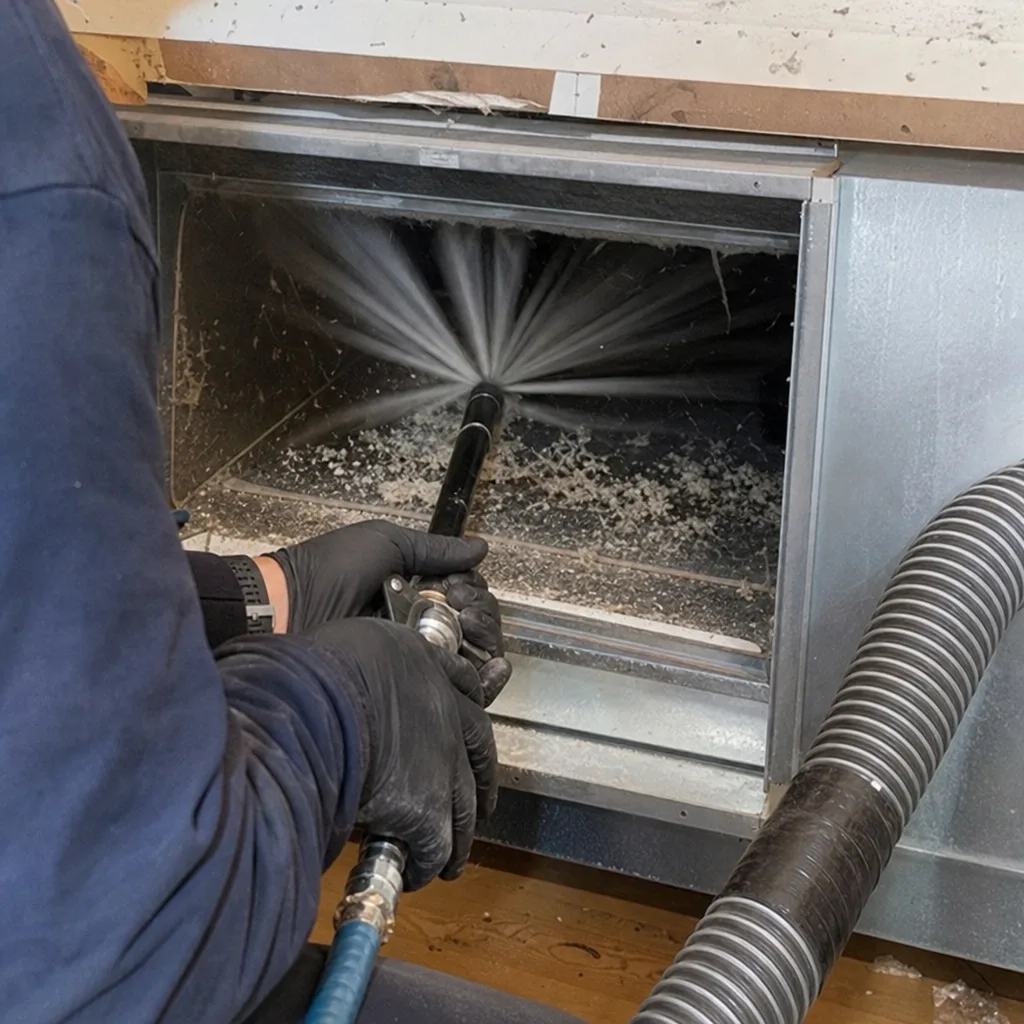
Last updated November 23, 2026
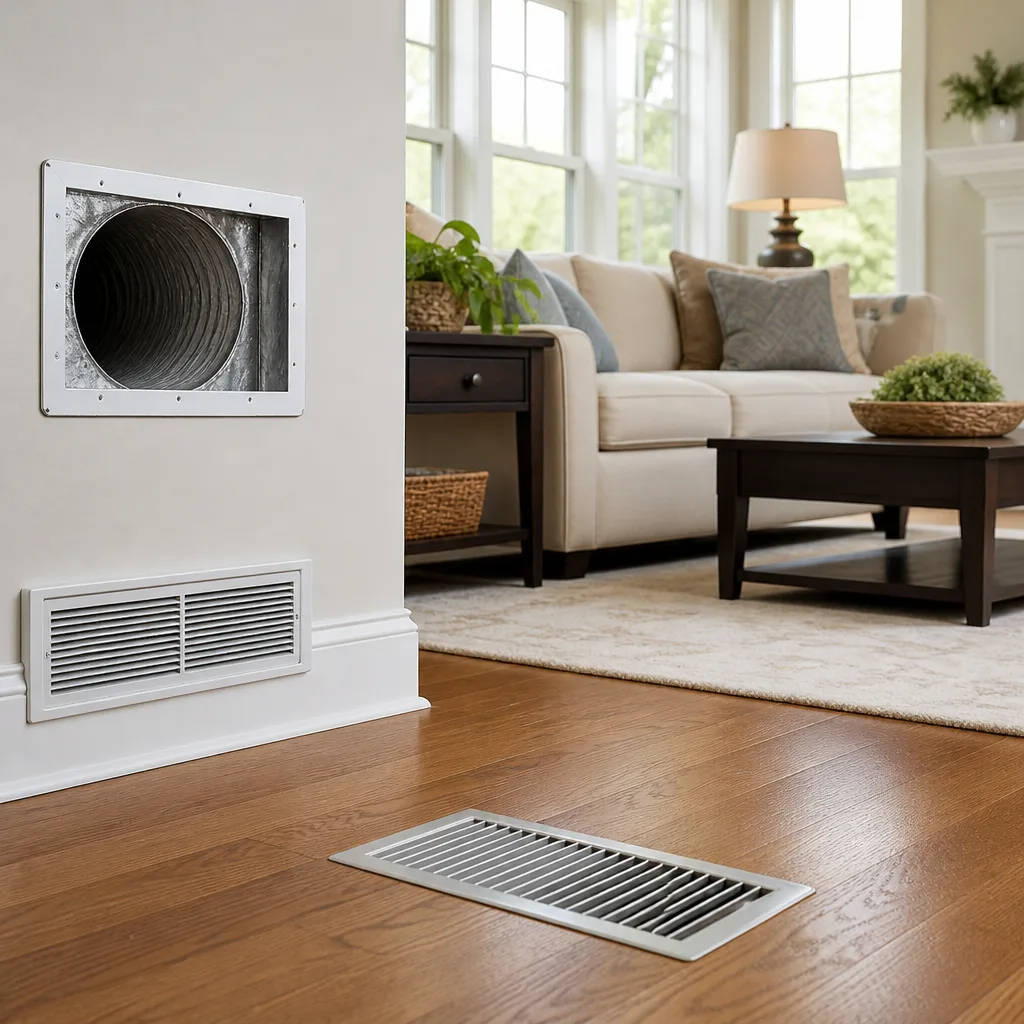 Whole-home duct cleaning
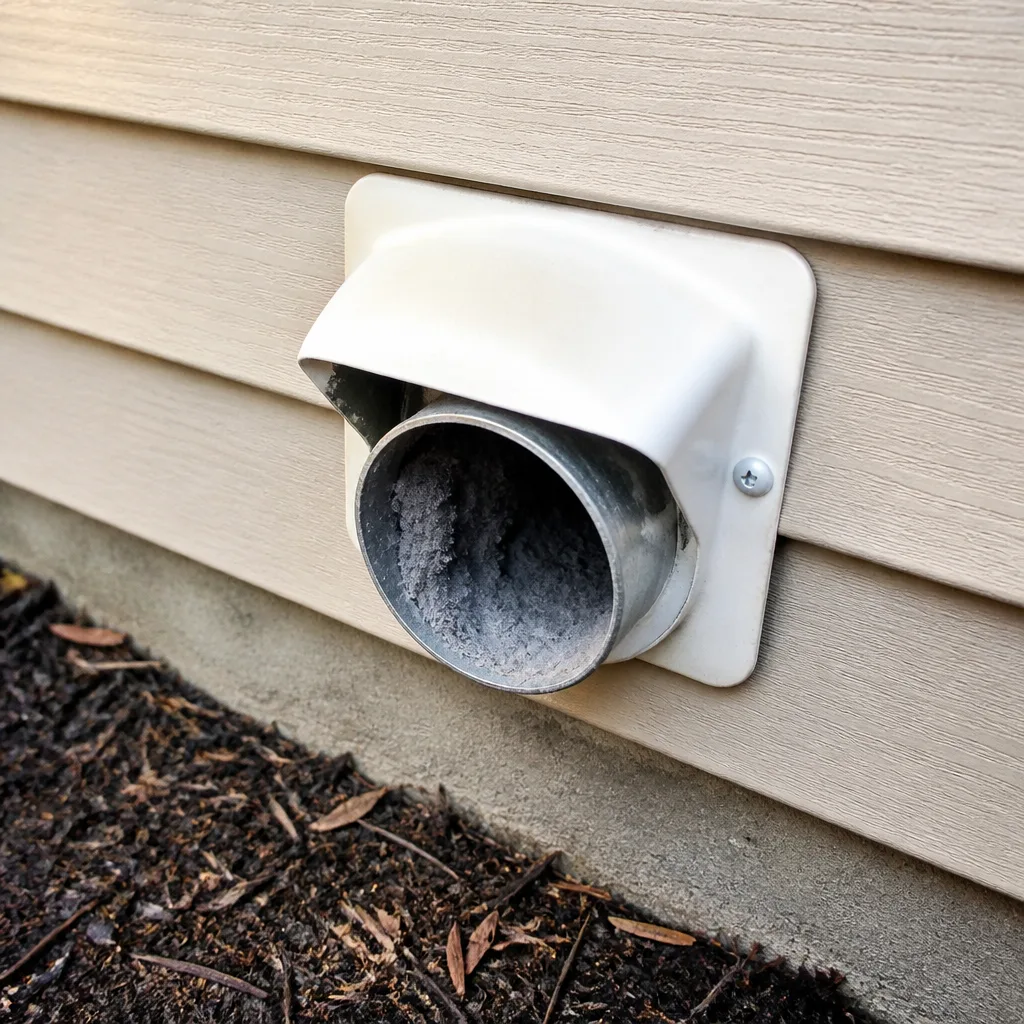 Dryer vent cleaning
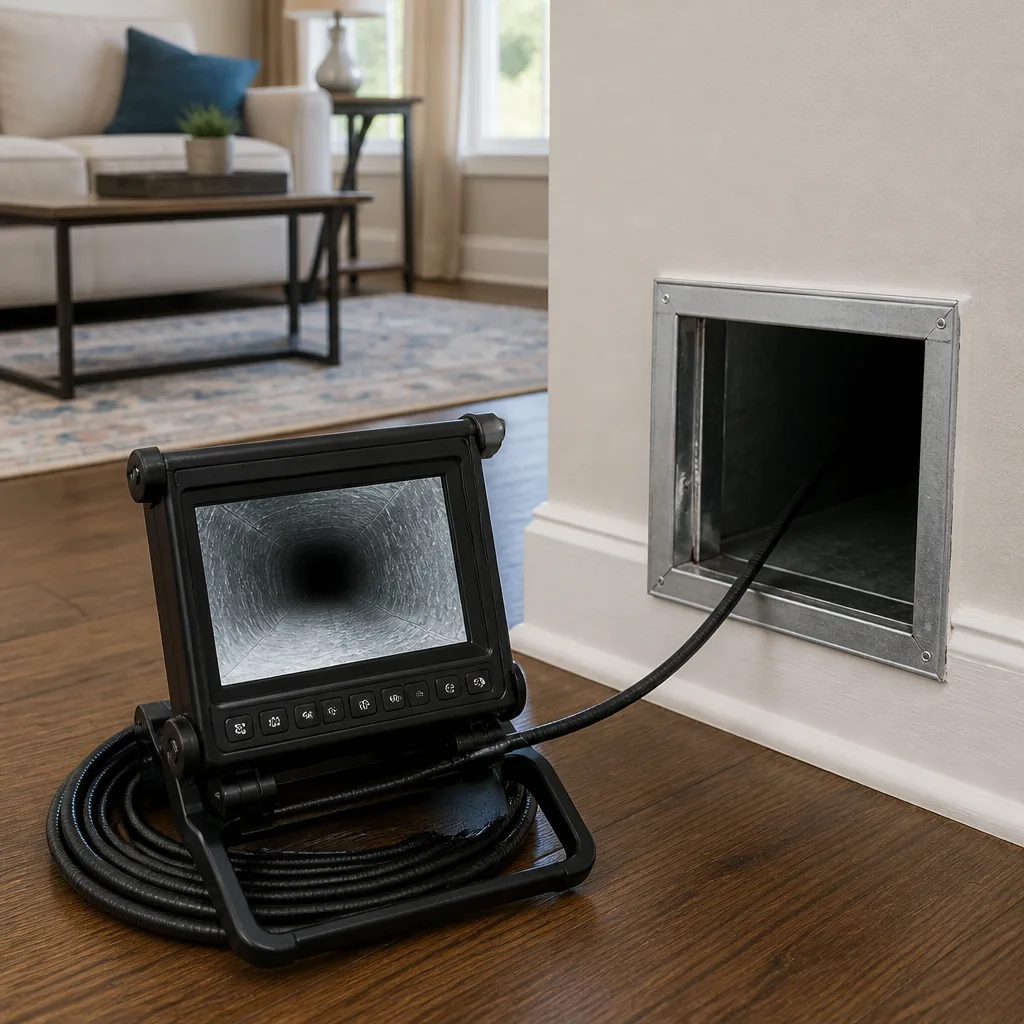 Camera inspection
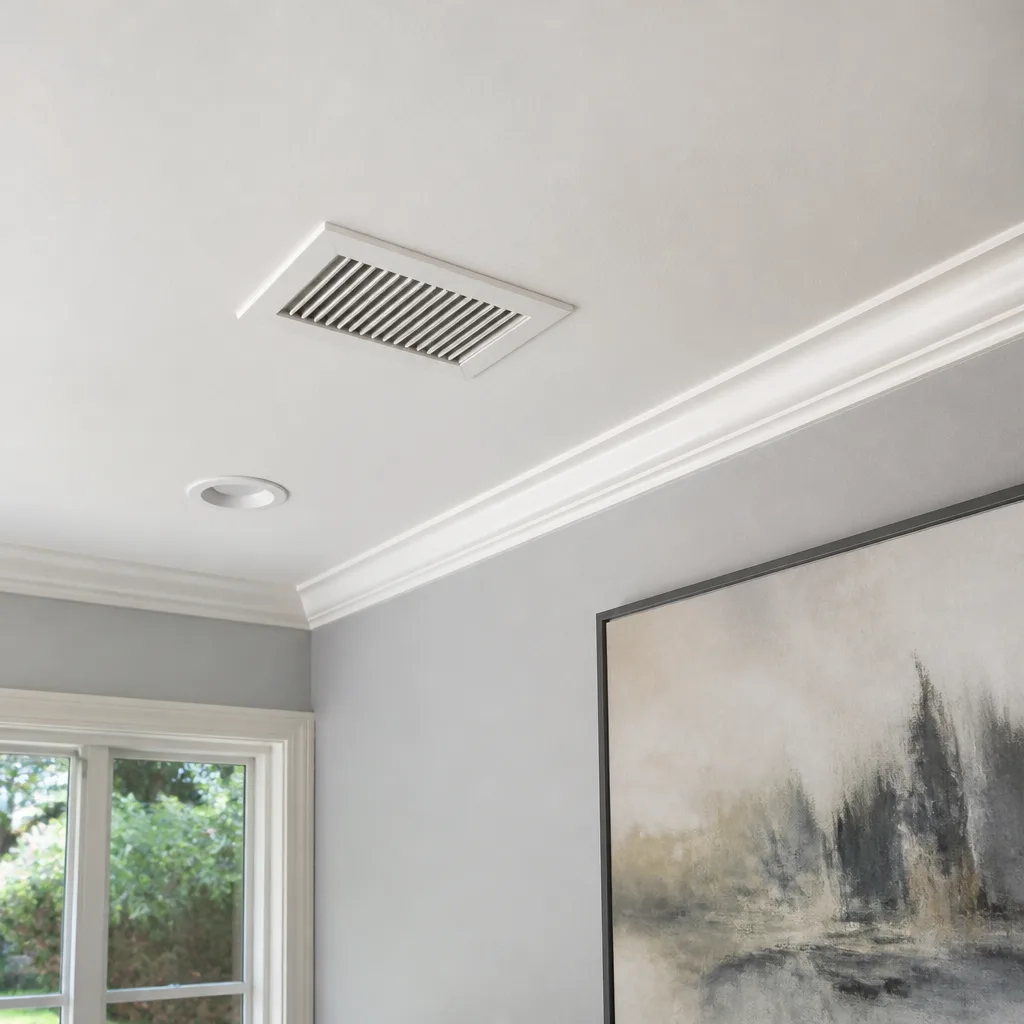 Sanitizing & deodorizing
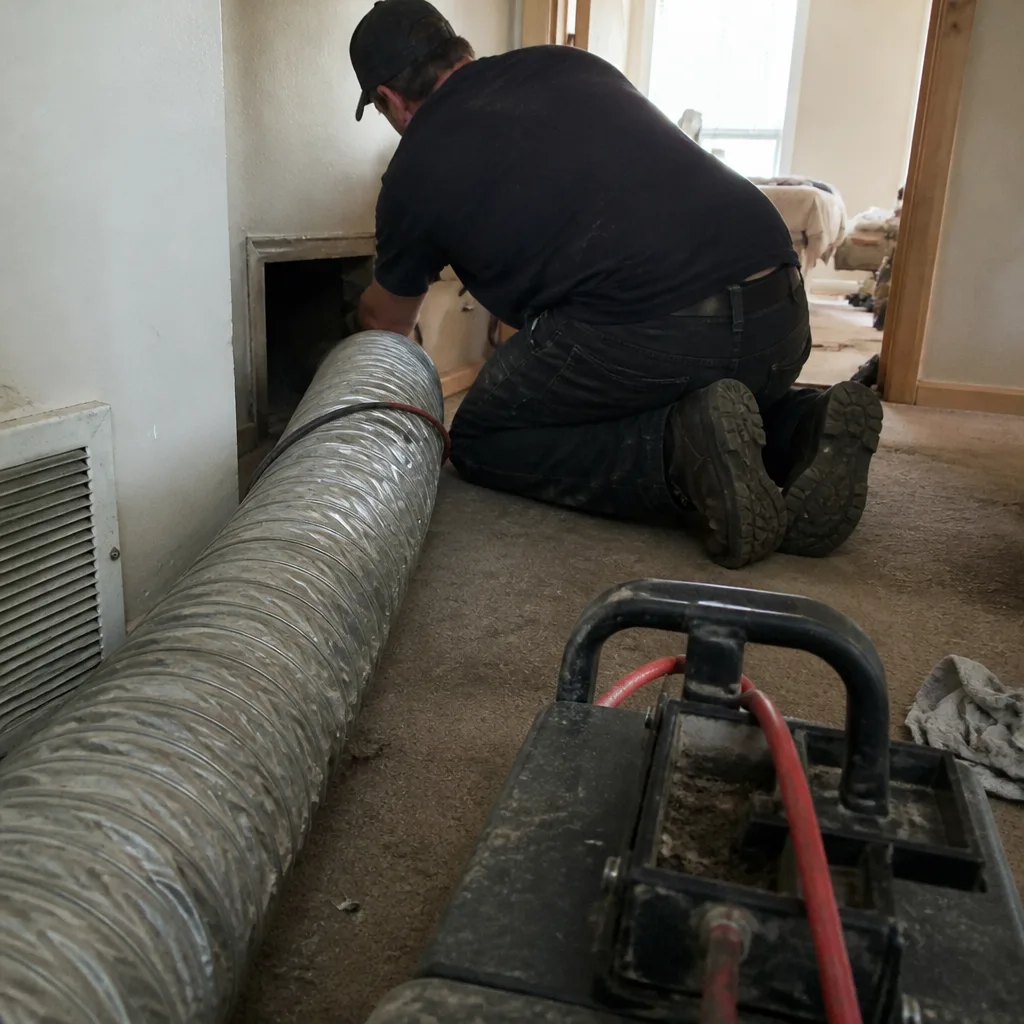
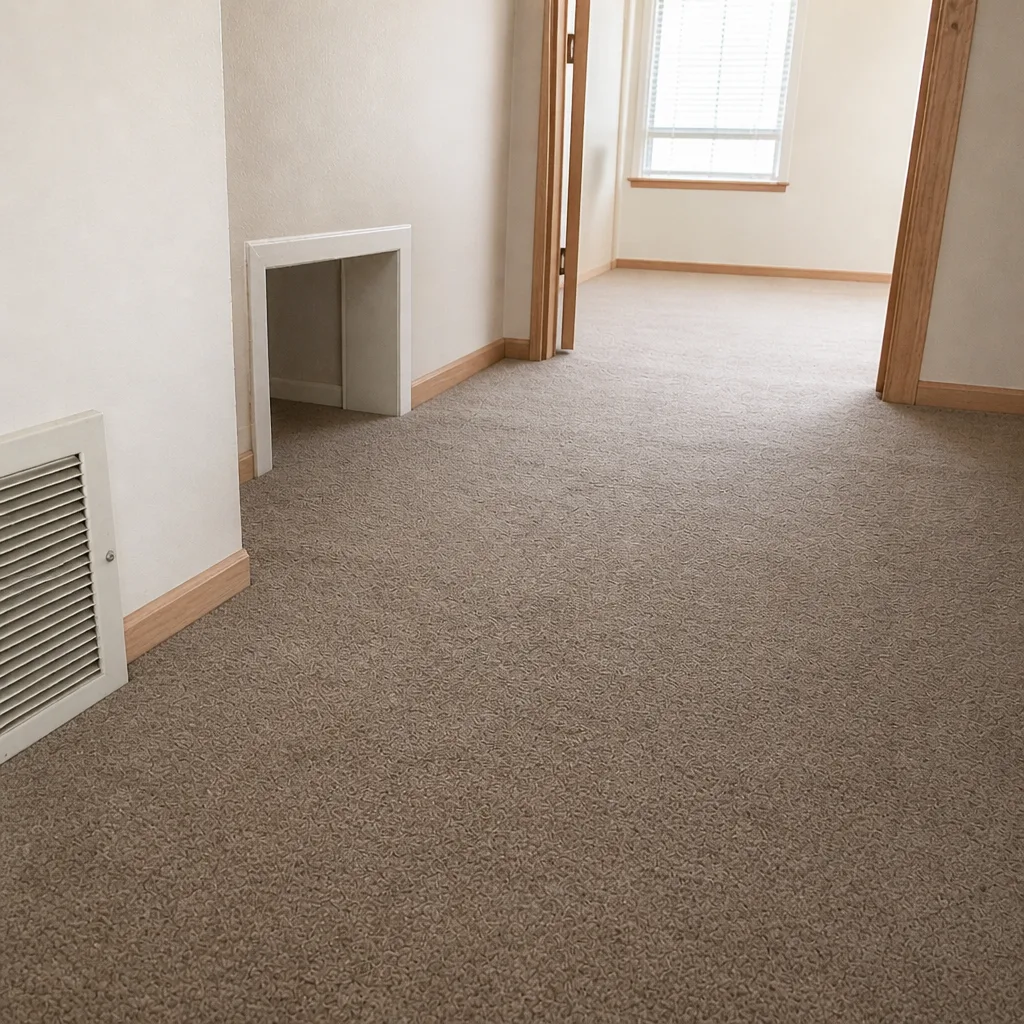
Whole-system duct and dryer vent check with before-and-after photos - you see exactly what came out of your vents
That "$99 whole-house special" is a bait ad - the real number appears once they are in your hallway, or the "clean" is a shop-vac at the register. We photograph the inside of your ducts before and after instead.
Seasonal Air Duct Cleaning Care for Northeast Raleigh: Year-Round Homeowner’s Guide
Most homeowners schedule duct cleaning in spring because it feels like the natural time to clean. But late spring is exactly when pollen loading inside your ducts peaks, which means a cleaning two weeks before peak pollen simply restarts the accumulation cycle. In Northeast Raleigh, the timing of a cleaning matters as much as the cleaning itself. This guide maps each season to what’s actually happening inside your air system, from loblolly pine pollen in March to heating-season dust in January, and shows you how to build a two-year care calendar that fits how homes here actually breathe.
Quick Answer
The best time to clean air ducts in Northeast Raleigh is late spring, after pine and oak pollen has finished, or early fall, before the heating season begins. A single well-timed professional cleaning paired with filter changes at the right moments handles most homes for two years. The four seasons here each stress your ductwork differently, and knowing which season does what is how you avoid cleaning at the wrong moment.
Styles & brands we work with
- Whole-home duct cleaning
- Dryer vent cleaning
- Camera inspection
- Sanitizing & deodorizing
Table of Contents
- Spring in Northeast Raleigh: Pollen, Return Grilles, and Filter Strategy
- Summer Humidity and the Evaporator Coil Problem
- Fall Debris, Attic Flex Duct, and Wooded Lots
- Winter Heating Season and Dormant Supply Runs
- Building Your Two-Year Maintenance Calendar
- Three Homeowner Inspection Checkpoints
- Common Mistakes to Avoid
- When to Call a Professional
Spring in Northeast Raleigh: Pollen, Return Grilles, and Filter Strategy
Spring in Northeast Raleigh runs from March through May, and the dominant air quality story is pollen. Loblolly pine releases its pollen in a concentrated burst, usually sometime in late March or early April, and oak follows close behind. Both are coarse, heavy pollens that settle quickly onto surfaces and get pulled into return grilles by the cubic foot. The reason this matters for ductwork is that the return side of your system is a giant low-pressure zone. Every time the air handler runs, it’s drawing outdoor pollen through gaps, door sweeps, and window seals, then depositing a fraction of it on the interior walls of your return ducts.
What surprises most homeowners is that cleaning during peak pollen is largely wasted effort. You pull the ducts clean, and within a week or two the same return grilles are re-coated. The smarter play in March, April, and May is filtration, not cleaning.
- Upgrade to a MERV-11 or higher filter for the pollen window. A standard MERV-8 filter catches larger particles but lets a lot of fine pollen through. A MERV-11 catches most of it without overloading the blower. Change it at the start of the pine burst and again once oak finishes.
- Seal gaps around return grilles. A surprising amount of pollen enters the return side through poorly sealed grille frames and attic penetrations. Foam gasket tape and a bead of caulk close this path cheaply.
- Check grille covers on any returns near exterior doors. If you have a return register close to an entryway that gets opened constantly in spring, a simple filter grille cover helps.
- Hold the professional cleaning until pollen ends. In our experience, the ideal window in Northeast Raleigh is mid-to-late May, once pine and oak have finished and before the first big humidity push.
Homeowners with Aprilaire or Honeywell whole-home filtration already have a head start. These systems accept thicker media cabinets that handle MERV-11 through MERV-16 without choking airflow, and if your system is set up for one, spring is when it earns its keep. If you don’t have one, this is the season to ask about one.
If you want to understand what a professional spring cleaning looks like once pollen season closes, see Air Duct Cleaning Northeast Raleigh for the full scope we cover.
Summer Humidity and the Evaporator Coil Problem
Summer in Northeast Raleigh runs June through August, and the indoor air story shifts entirely. Average relative humidity in this part of the Piedmont climbs above 70% on many summer days, and that humidity does something specific inside your HVAC system: it condenses on the evaporator coil. The coil is cold. The air passing over it is wet. Condensate drips down into the drain pan, and if the pan or the drain line doesn’t clear quickly, a wet film sits there for weeks. That film supports biological growth, and once growth establishes on the coil or in the pan, the air passing over it picks up spores and pushes them through every supply run in the house.
This is why summer air duct work in Northeast Raleigh isn’t only about duct interiors. Any cleaning that skips the air handler misses the source.
- Inspect the evaporator coil before cooling season peaks. Look at the coil face for visible buildup, and check whether light passes through the fins. Blocked fins reduce cooling capacity and trap moisture.
- Check the condensate drain pan and the primary drain line. Stagnant water and a slow drain are the two biggest contributors to coil-side biofilm.
- Clean the air handler cabinet and blower wheel. Dust that collects on the blower wheel becomes a sponge for humidity.
- Sanitize after cleaning, not before. Cleaning removes what’s there. Sanitizing addresses what cleaning leaves behind on the coil and cabinet surfaces.
- Consider a whole-home dehumidification strategy if indoor humidity stays high even with the AC running.
This is the season where the difference between a surface wipe-down and actual remediation matters. We use Abatement Technologies equipment for the air handler work because the particulate load in a humid coil cabinet is finer and more biologically active than simple household dust. A shop-vac doesn’t contain it. Negative-pressure HEPA capture does. Our HVAC cleaning service covers this coil-and-cabinet portion of the system, which is where a lot of the actual air quality problem lives.
Fall Debris, Attic Flex Duct, and Wooded Lots
Fall in Northeast Raleigh runs September through November. Two things happen at once. First, the tree canopy drops leaves, and leaf litter begins to break down. Second, attic temperatures swing hard, from ninety-plus in early September down to freezing by late November. Both of these matter for ductwork, and the second one is easy to underestimate. Leaf mold is a real allergen, and it develops fastest in damp, shaded leaf piles. Homes near wooded lots in the Stonegate and Falls River area sit under heavy canopy, and their return side draws from the same outdoor air that carries leaf mold spores.
The bigger fall issue, though, is attic ductwork. In Northeast Raleigh, a large share of homes have flex duct running through unconditioned attic space. Flex duct is corrugated and plastic-wrapped. Over time, the penetrations where flex duct passes through ceiling boots, or where a contractor cut a hole to run the duct, can open up. As attic temperatures swing through fall, that plastic expands and contracts slightly. Small gaps become bigger gaps. Rodent activity also picks up in fall, and rodents chew. The result is unconditioned attic air, debris, and sometimes insulation fibers entering the supply side of the system.
- Walk your attic in October or early November. Look at every flex duct run and check for sagging, crushed sections, disconnected joints, and chew marks.
- Look at the ceiling boots. Every supply boot should be sealed where it meets the ceiling drywall. A visible gap allows attic air into the living space.
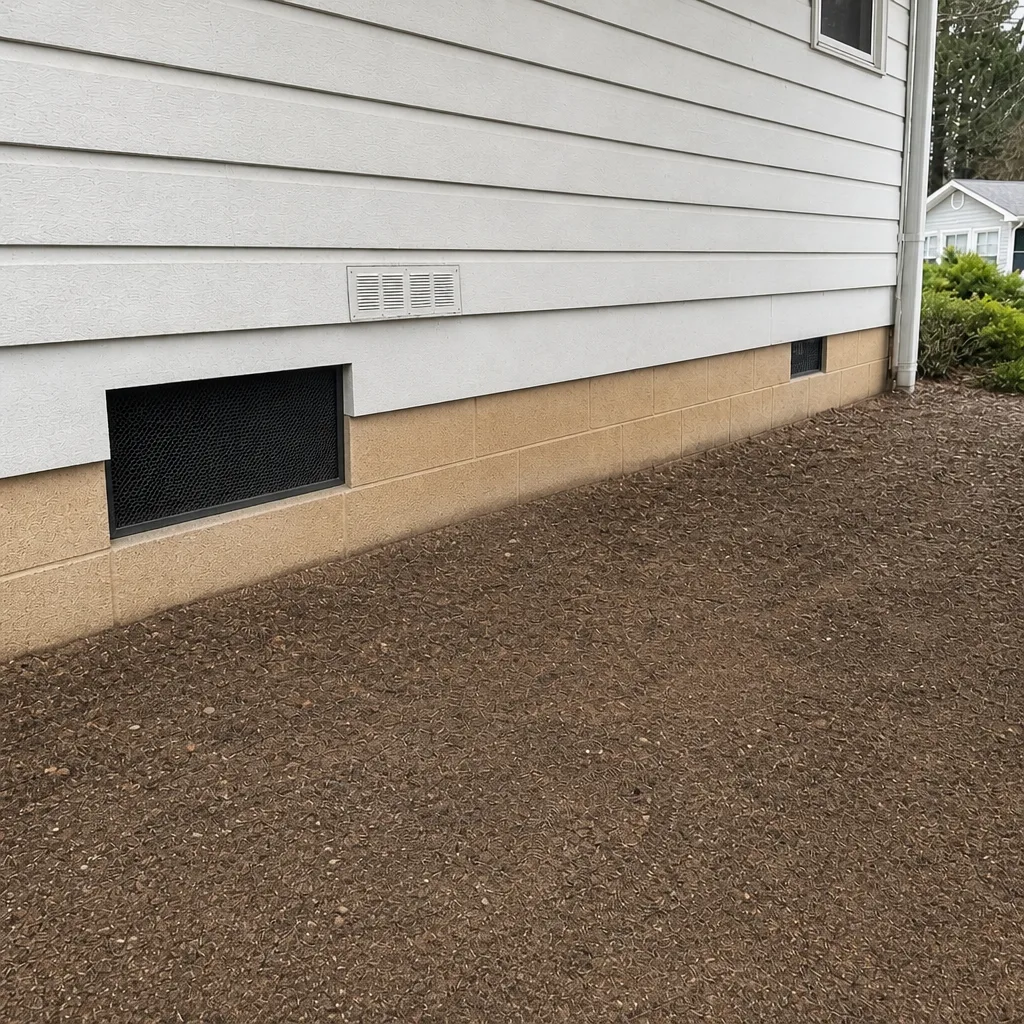
- Clear leaves away from foundation vents and return-side penetrations. Leaf mold loves the damp corner where leaves pile against the house.
- Schedule duct repair and sealing in late fall if you find gaps. If your home has flex duct in the attic, the annual walk-through is worth the time.
This is where the air duct cleaning visit becomes more than a cleaning. Our technicians seal and repair flex duct runs, and we treat ceiling boots and attic penetrations as part of the full air pathway inspection. Clean ducts with leaks downstream stay contaminated. Sealed ducts stay clean.
Winter Heating Season and Dormant Supply Runs
Winter in Northeast Raleigh runs December through February. This is the season when settled dust in the system gets reactivated. During cooling season, most rooms call for air regularly because the thermostat triggers the system several times a day. In winter, the heat runs less frequently in rooms that have their own dampers or that are rarely used, and the supply runs feeding those rooms can sit dormant for weeks. Dust settles out, then the first extended heating stretch of the season, usually the first big cold snap in December, blows that dust into the room all at once.
If you’ve ever noticed that the first really cold week of the year produces a smell or a visible dust puff from vents, that’s what you’re experiencing. It’s the reactivation of dust that settled during the shoulder season.
- Before the first extended heating stretch, do a targeted return-side cleaning. You don’t need a full system cleaning in December. What you need is to clear the return duct walls, the blower compartment, and the filter housing so the air entering the system is clean.
- Check that all supply registers are open and unobstructed. Closed or blocked registers force more air through the open ones and raise dust velocity in those runs.
- Replace the filter on the first cold week. The winter filter’s job is to catch what got stirred up during the shoulder season.
- Run the fan in “on” mode intermittently if your thermostat allows it. Constant low-level circulation keeps dust from settling, which reduces the January puff.
A winter cleaning in Northeast Raleigh is not usually a full-system job. It’s a targeted cleaning of the return-side components specifically. The reason is that cleaning the entire system in December costs more than it produces, and the return side is where the winter dust problem originates. A short, focused visit before the first big cold snap saves the January surprise.
If your heating system is old and the blower wheel or cabinet has never been touched, winter is a good time to look at the full air pathway. Once your heating season settles in, dryer vent cleaning is another good cold-month task, since lint accumulation in dryer vents is a leading cause of residential house fires and gets overlooked when everyone’s focused on heating.
Building Your Two-Year Maintenance Calendar
A two-year calendar for Northeast Raleigh homes looks different from a generic annual calendar because the local climate packs four distinct stressors into four distinct windows. The goal is one professional cleaning timed optimally, plus filter changes and visual inspections at the right moments in between. Here’s how to lay it out.
The 24-month cycle:
- Month 1 (late May, year one): Full professional cleaning. This is your anchor. Pollen has finished, humidity is just starting, and the system gets cleaned right before cooling season peak.
- Month 2 (mid-August, year one): Filter change and a visual check of the air handler drain pan. No cleaning needed.
- Month 3 (late October, year one): Attic walk-through and ceiling boot inspection. Filter change.
- Month 4 (early December, year one): Targeted return-side cleaning before the first extended cold stretch. Filter change.
- Month 5 (March, year two): Pollen-window filter upgrade to MERV-11. Grille and door seal inspection.
- Month 6 (late May, year two): Second full professional cleaning, or skip it and stretch to month 30 if the home is low-occupancy, pet-free, and filter discipline has been strong.
Homes with pets, recent renovations, or allergy-sensitive occupants should stay on the twelve-month anchor. Homes without those factors can often stretch to eighteen months with strong filter discipline, and a well-maintained Aprilaire or Honeywell media cabinet supports that stretch comfortably.
Three Homeowner Inspection Checkpoints
You don’t need to disassemble anything. Three quick visual checkpoints between professional visits catch most problems early.
Checkpoint 1: return grille face. Look at the filter and the grille behind it. A visible gray mat on the grille face after less than three months means filtration is falling short or the filter is loaded. Check monthly during March, April, and September.
Checkpoint 2: supply register perimeter. Look at the line where the register meets the wall or ceiling. A dark streak or visible dust halo means air is leaking around the register frame, which means dust is being pushed into the room continuously. Reseal with caulk or foam gasket as needed.
Checkpoint 3: attic flex duct look-over. Once per fall, walk the attic and look for sagging runs, chewed or split flex duct, and unsealed ceiling boots. Take a photo of anything questionable so you can show a technician on the next visit.
These three checkpoints take fifteen minutes each. They also tell you when something has changed before that change becomes a cleaning, repair, or air quality problem.
Common Mistakes to Avoid
- Cleaning in peak pollen. A cleaning in late March or early April has a short shelf life because pine and oak pollen re-deposits within weeks. In Northeast Raleigh, wait until pine has finished.
- Skipping the air handler. Cleaning the ducts but not the coil, drain pan, or blower cabinet leaves the biggest dust and biological source untouched. Every Northeast Raleigh summer has the humidity to make this matter.
- Running a high-MERV filter year-round. A MERV-13 filter that handles pollen beautifully in April can choke airflow in August when humidity-driven coil icing is a risk. Match the filter to the season.
- Ignoring attic ducts. Wooded Northeast Raleigh lots in Stonegate and Falls River see real rodent activity in fall. A chewed flex duct run is a contamination path, not just an efficiency loss.
- Trusting a very cheap quote without asking about equipment. A shop-vac and a hose don’t capture fine particulates. Ask whether the technician uses HEPA-negative-pressure equipment.
- Skipping the winter return-side cleaning. A full winter cleaning isn’t necessary, but a targeted return-side cleaning before the first cold stretch prevents the January dust puff.
- Comparing quotes on price alone. The relevant question is what equipment and what scope. Cleaning, sanitizing, sealing, and air handler work are separate line items that vary from quote to quote.
When to Call a Professional
Call a professional when you find visible dust tracking on supply register perimeters, visible buildup inside a return grille within a month of a filter change, a musty smell from any room in the house during cooling season, or visible mold in the air handler cabinet. Call if you’ve just finished a renovation and drywall dust may be sitting in the return ducts. Call if you’ve had a water intrusion nearby that may have reached the ductwork. Call if the home is older and the system hasn’t been cleaned in more than eighteen months, or if occupants are allergy-sensitive and symptoms seem tied to HVAC cycles. Air Duct Cleaning Northeast Raleigh offers free estimates in Northeast Raleigh. Call (833) 350-5194. We answer 24/7. Fast dispatch from 7am to 7pm, Sunday through Friday.
Frequently Asked Questions
Typical ranges depend on system size and scope, and we set one flat price per system after inspecting your home. A written estimate provides the exact figure, and it includes a before-and-after photo record of your own ducts. Call (833) 350-5194 for a free estimate. We answer 24/7.
Late spring, after loblolly pine and oak pollen has finished, is the best time for the annual full cleaning. Cleaning before peak pollen just restarts the accumulation cycle. If your system hasn’t been cleaned in more than eighteen months, an early-spring cleaning can still be worthwhile, followed by a filter upgrade through the pollen season.
Cheap quotes often reflect a shop-vac and hose rather than HEPA-negative-pressure equipment, and they typically skip the air handler, coil, and drain pan. Our technicians use Rotobrush and Nikro equipment, and we quote per system, not per vent. Ask any contractor what equipment they use before you compare prices.
You should receive before-and-after photos of your own ducts, taken from the inside. Any reputable contractor should provide those photos without being asked. Request them upfront so expectations are clear.
Every eighteen months to two years for most homes, with a targeted winter return-side cleaning in between. Homes with pets, recent renovations, or allergy-sensitive occupants often benefit from a yearly cadence. Your filter discipline and home characteristics are the main variables.
After the renovation is finished and the drywall dust has settled, typically two weeks after the final coat of paint or drywall finishing. Cleaning before renovation just means the renovation dust re-contaminates the system. If you’re planning renovation work, book the cleaning for the completion window.
The Bottom Line
Northeast Raleigh’s four seasons each stress your ductwork differently, and a single cleaning scheduled at random misses most of them. Time the full cleaning to late May, upgrade filters through pollen season, inspect attic ducts in fall, and do a targeted return-side cleaning before the first cold stretch. That two-year calendar handles most homes without excess cleaning and without skipping the moments that matter. The work is straightforward: clean systematically, seal where air leaks, and match the intervention to the season. Our technicians have up to 13 years of experience with the commercial-grade Rotobrush, Nikro, and Abatement Technologies equipment that makes a full-pathway cleaning a real result instead of a surface pass.
Call (833) 350-5194 for a free estimate. We answer 24/7. Fast dispatch from 7am to 7pm, Sunday through Friday.
Written by the team at Air Duct Cleaning Northeast Raleigh.
See the difference
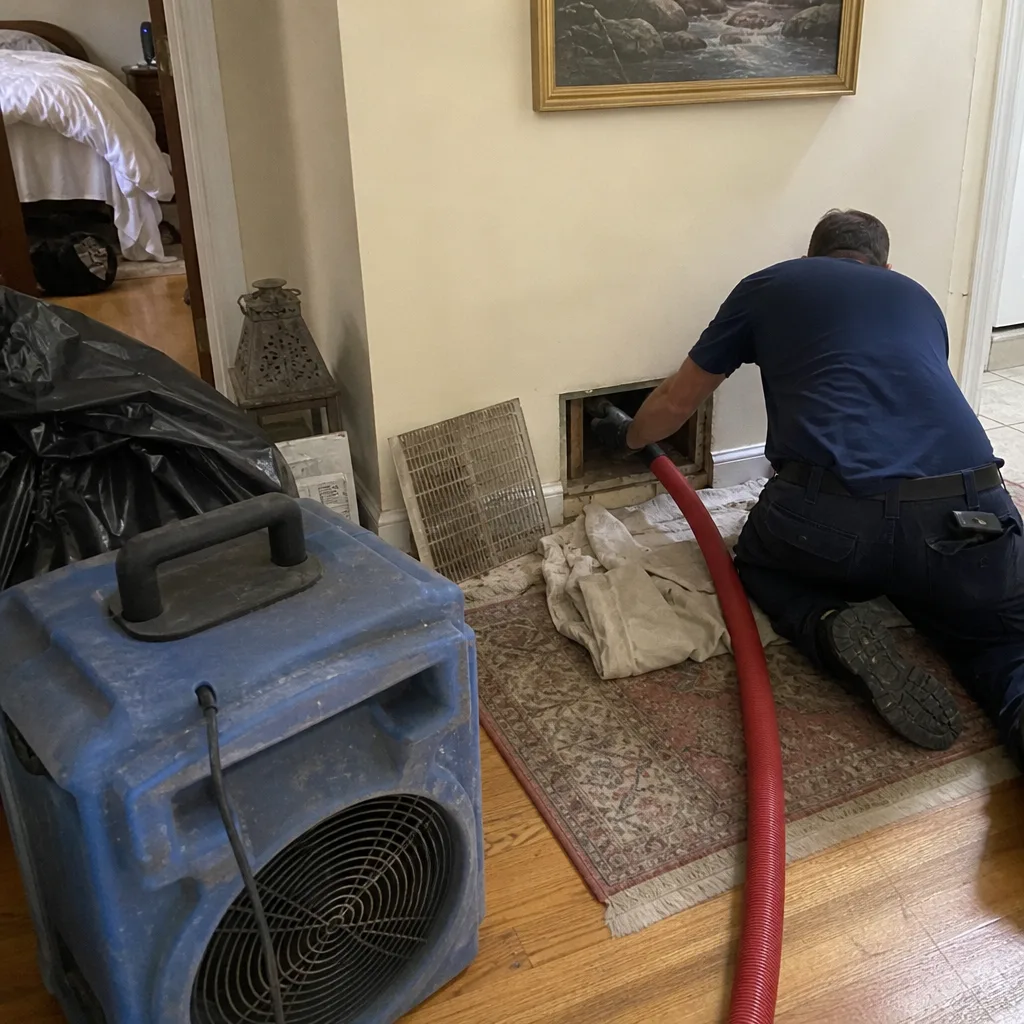 Before
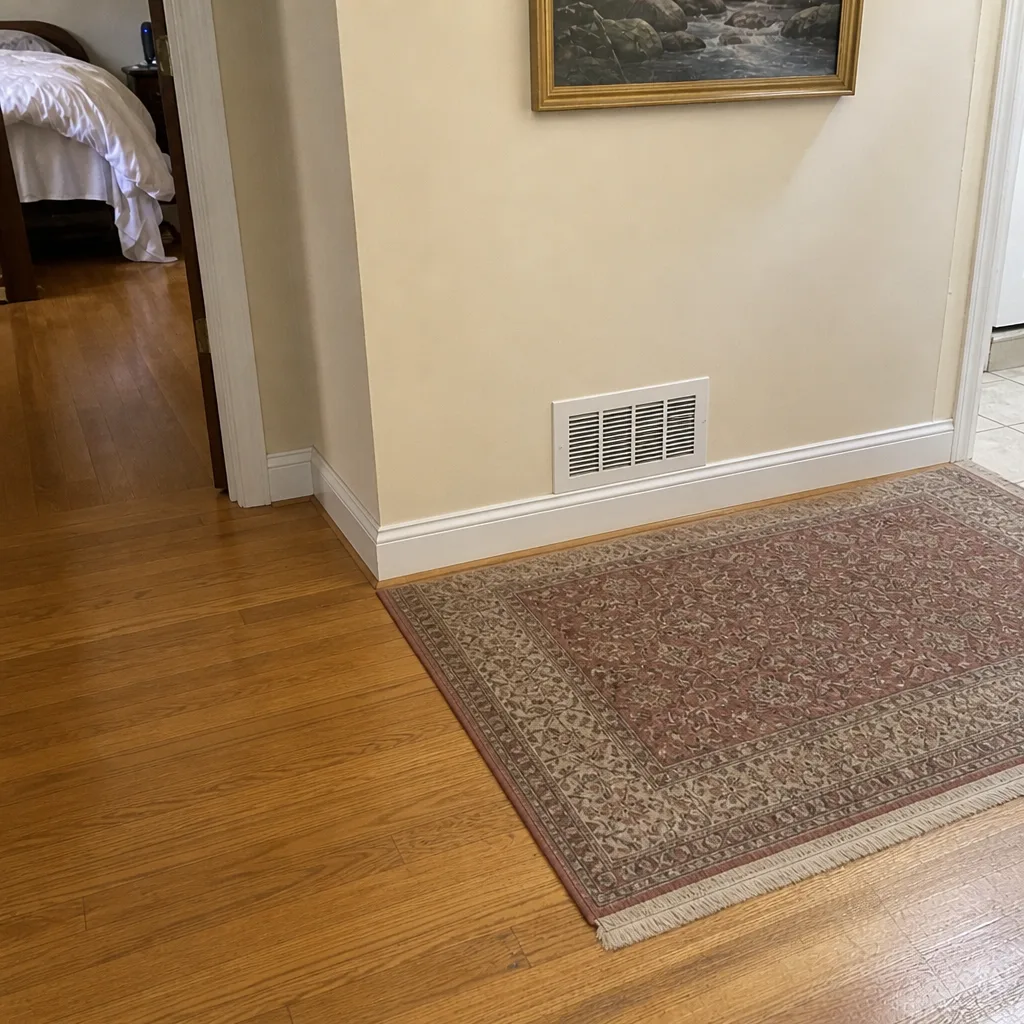 After
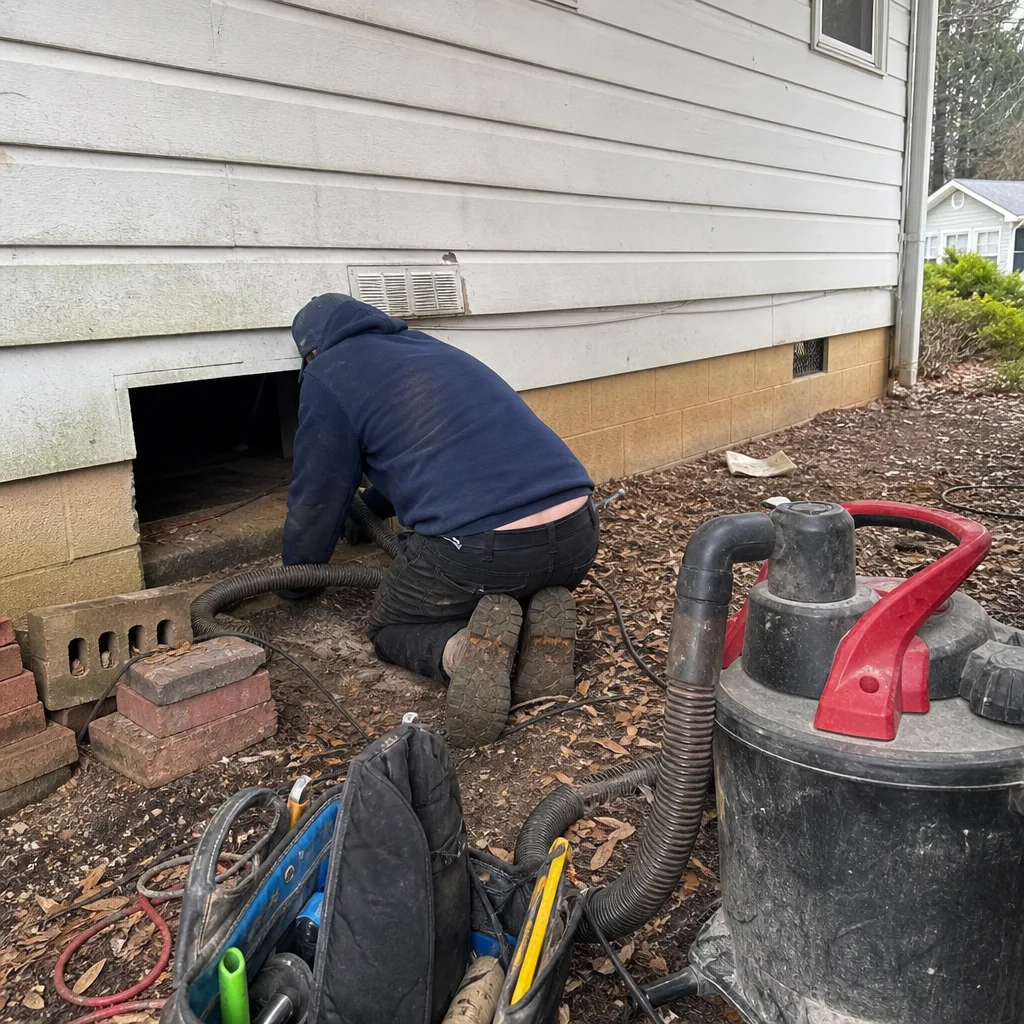 Before
 After
 Before
 After