
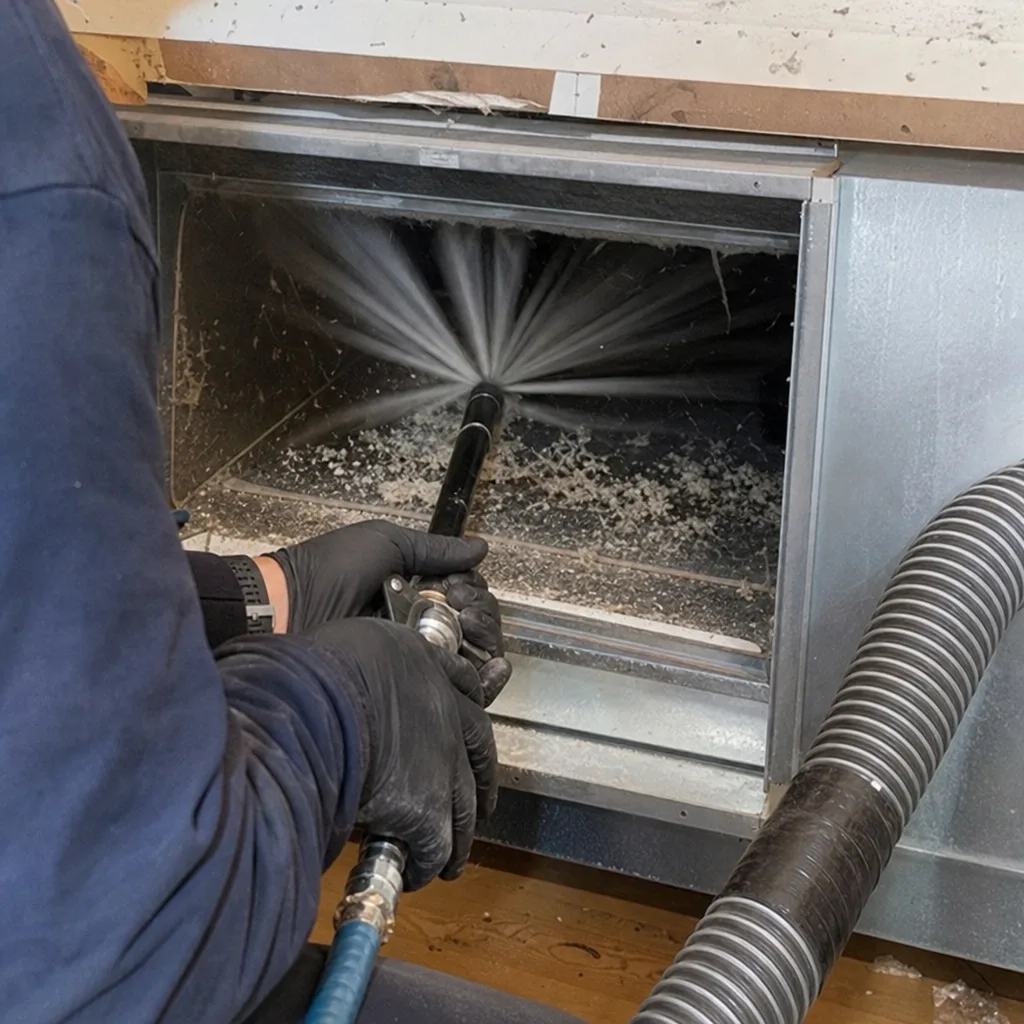
Last updated November 23, 2026
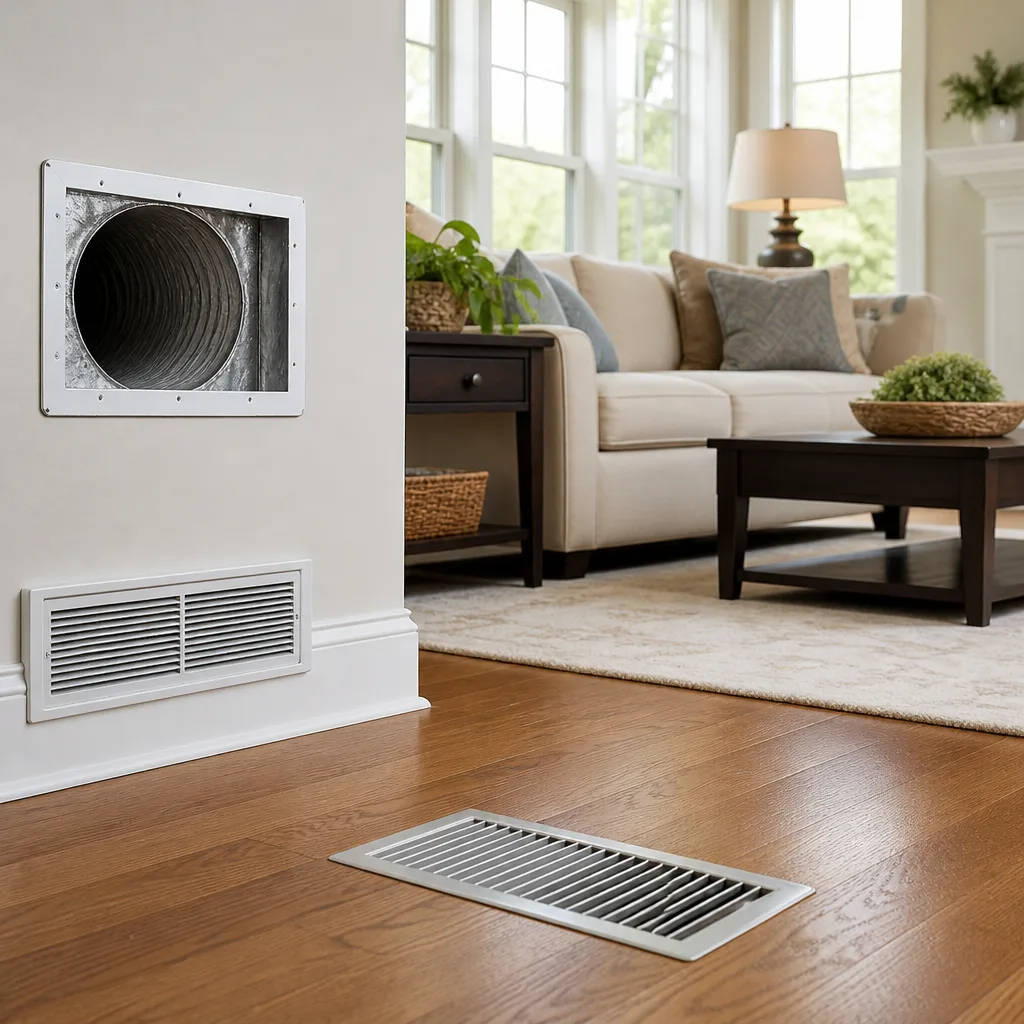 Whole-home duct cleaning
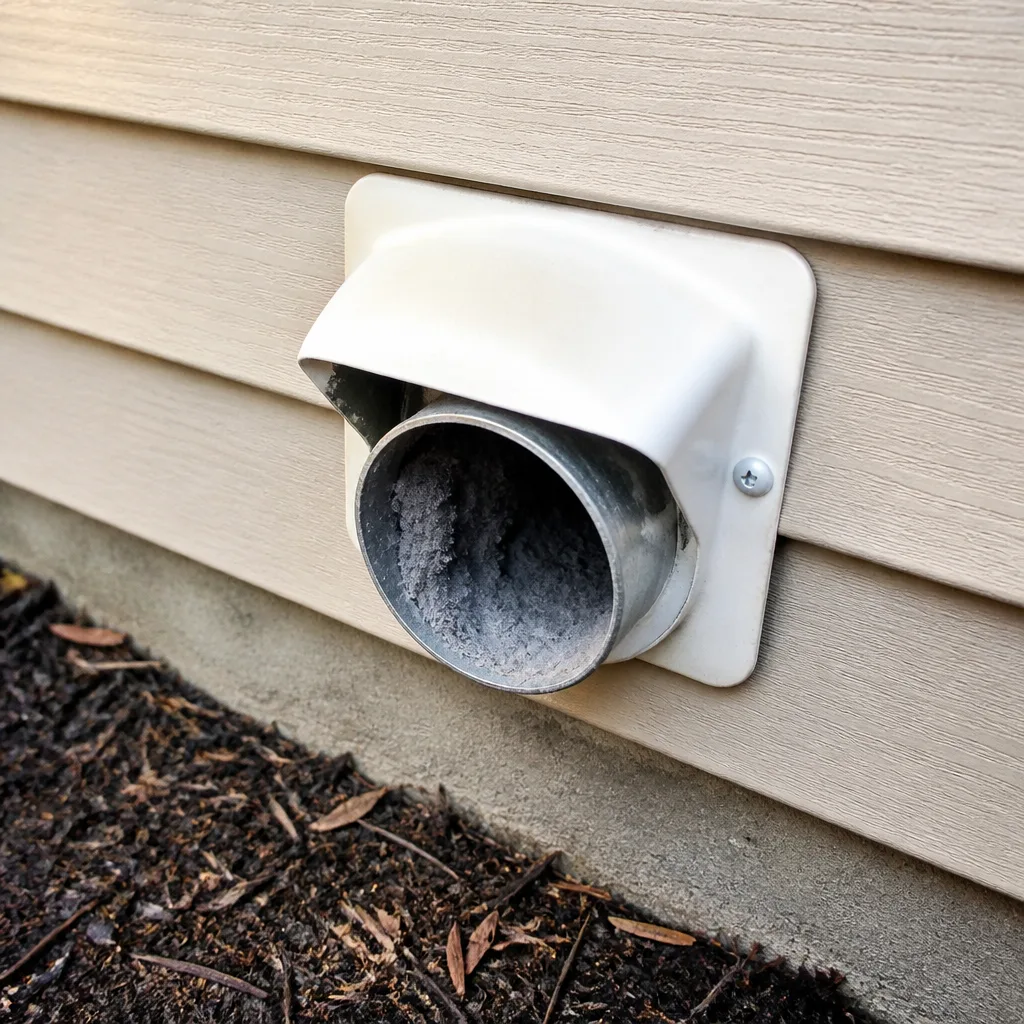 Dryer vent cleaning
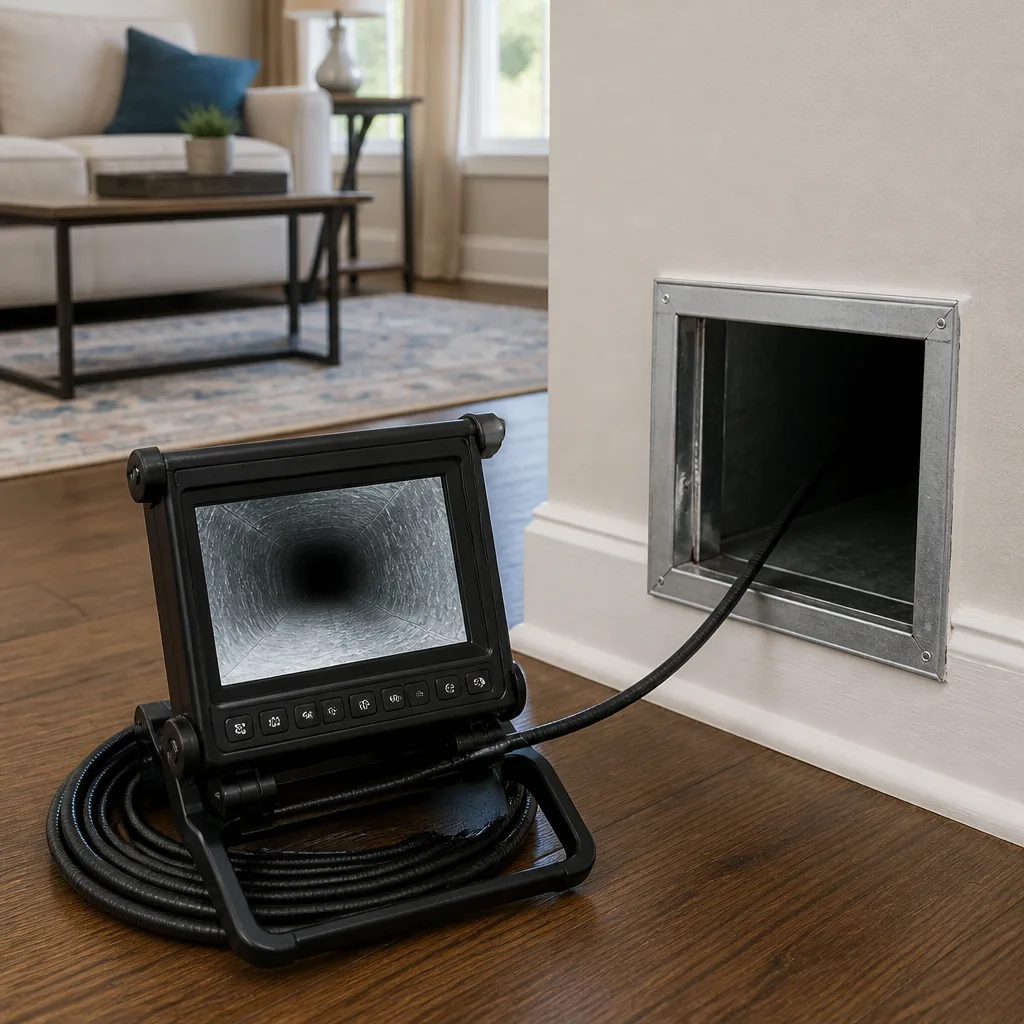 Camera inspection
 Sanitizing & deodorizing
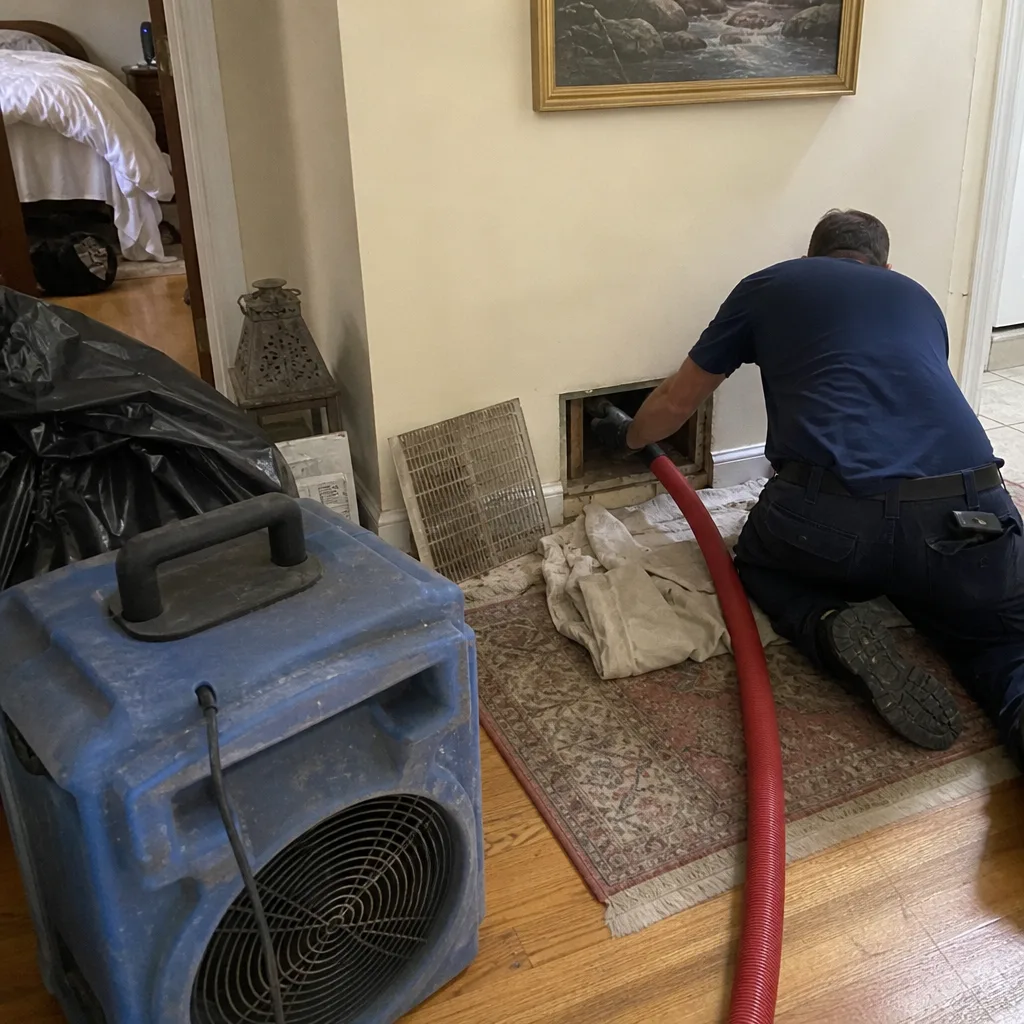
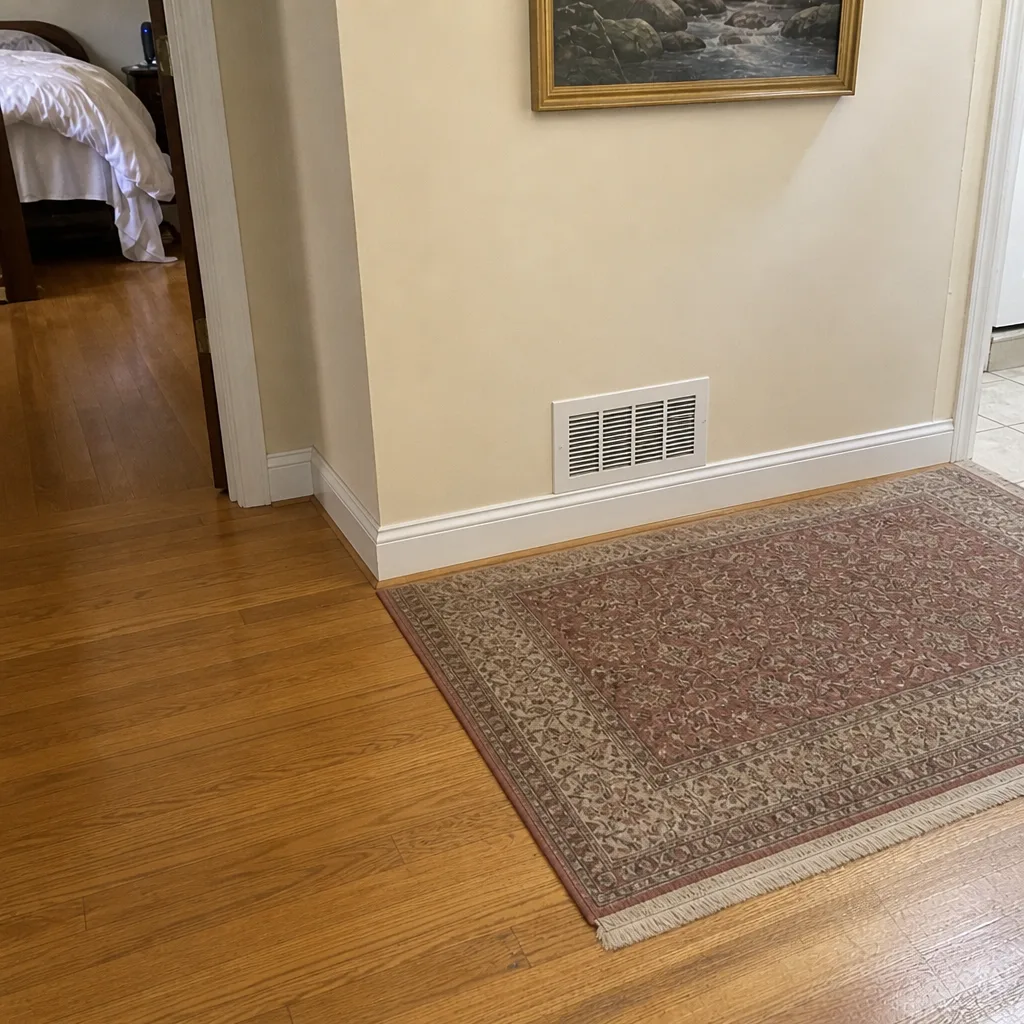
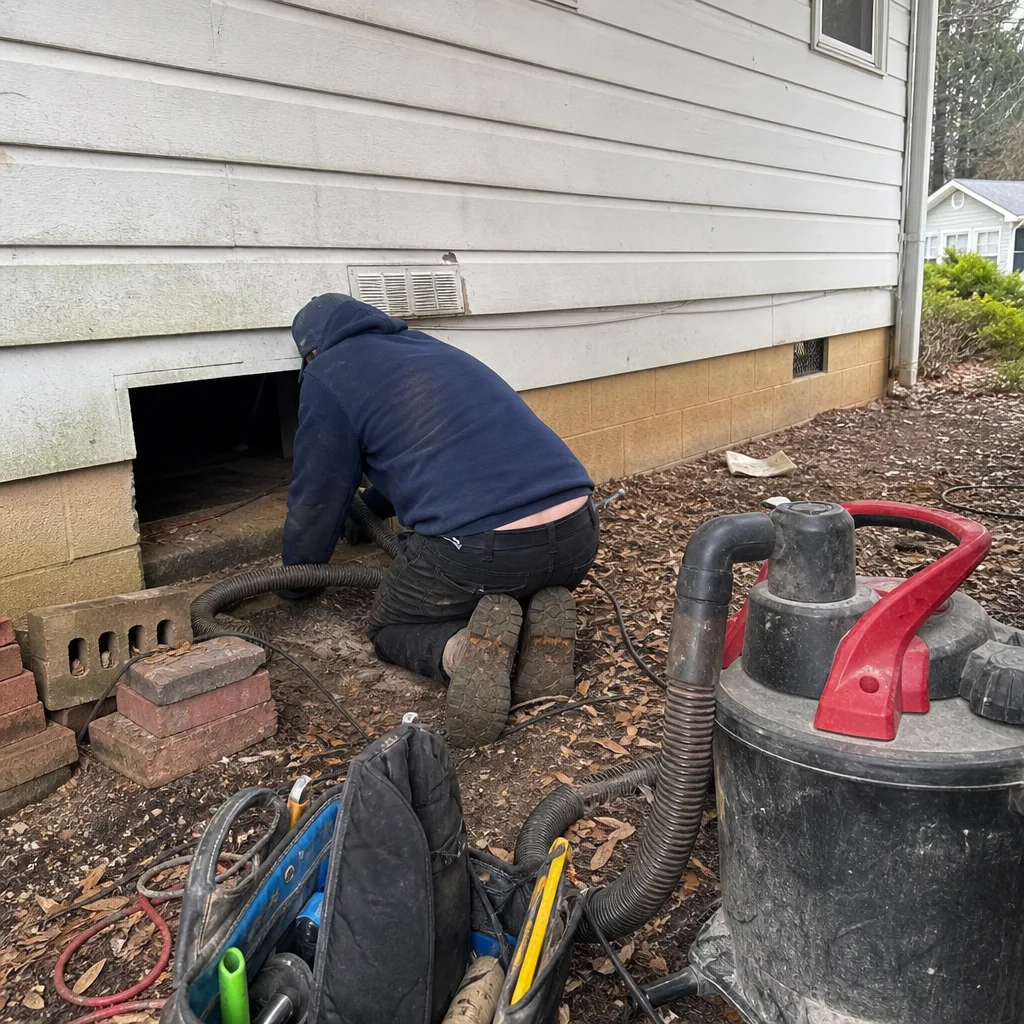
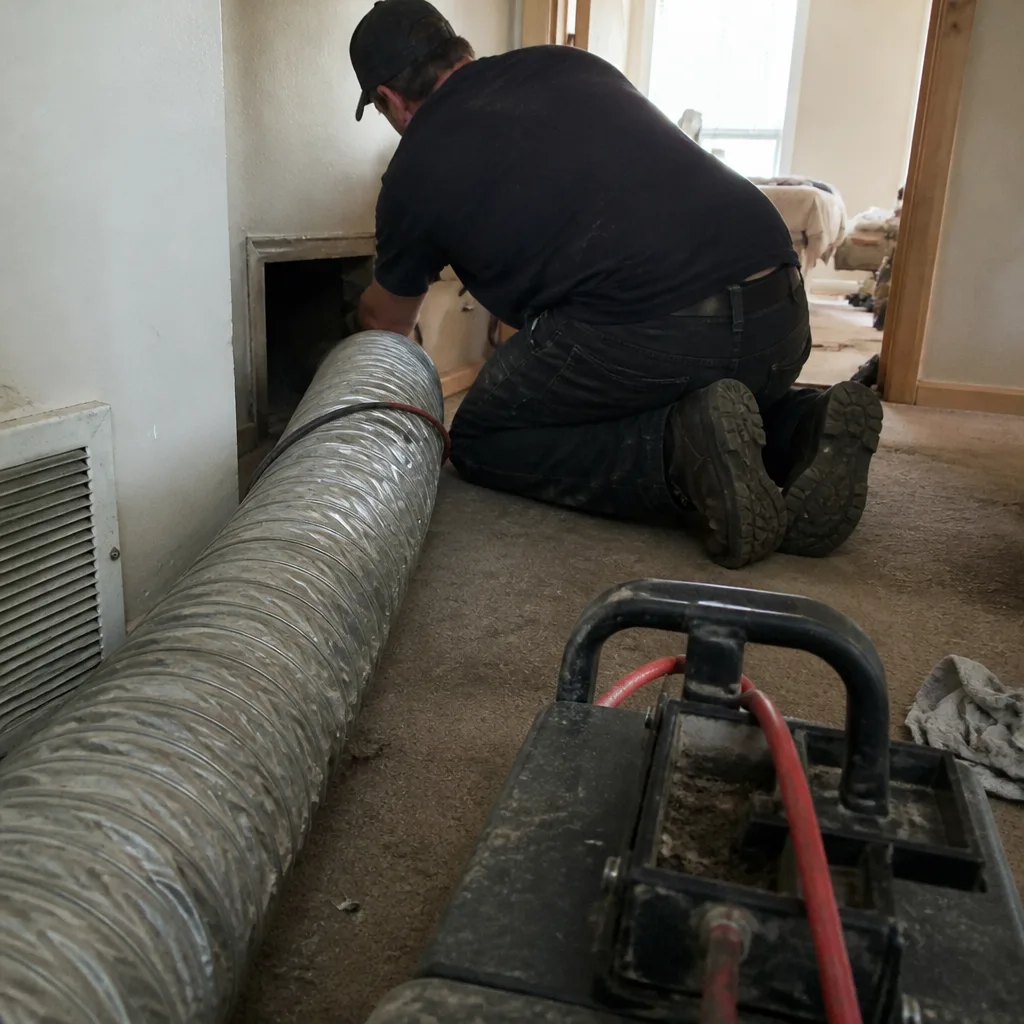
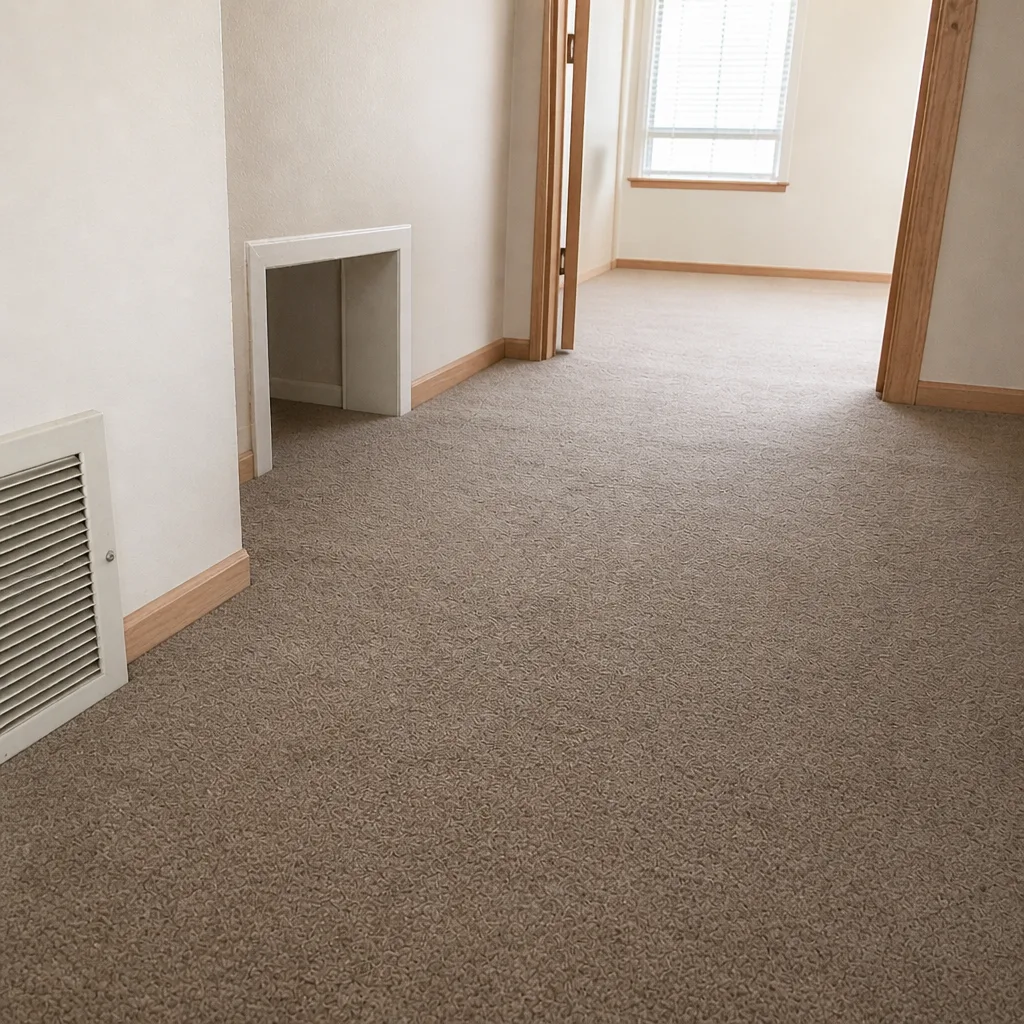
Whole-system duct and dryer vent check with before-and-after photos - you see exactly what came out of your vents
That "$99 whole-house special" is a bait ad - the real number appears once they are in your hallway, or the "clean" is a shop-vac at the register. We photograph the inside of your ducts before and after instead.
Air Duct Cleaning Emergency Preparedness Guide for Northeast Raleigh Homes
The instinct after a storm is to get the house back to normal as fast as possible. That usually means flipping the thermostat back on and letting the HVAC system push air through the house. It’s the wrong move more often than people realize. If storm water, soot, or pest waste has found its way into the air handler or return plenum, running the system turns the blower into a distribution engine, spreading contamination into every room in minutes. This guide covers the specific emergencies Northeast Raleigh homes face – tropical storm remnants, ice storms, extended power outages, house fires, and pest intrusion – and gives you a clear decision rule for each: when the ducts need professional attention and when they’re fine to leave alone.
Quick Answer
After any event that introduces water, smoke, or animals into a Northeast Raleigh home’s air system, shut the HVAC system off and have the ductwork inspected before running it again. Water intrusion into the air handler or return plenum creates a mold risk that begins colonizing within 48 hours, and running the blower spreads those spores through the whole house. Smoke, soot, and animal waste in ducts require HEPA-rated source removal and sanitizing, not odor spray. Document everything with photos and a written technician assessment before cleaning starts if you plan to file a claim.
Styles & brands we work with
- Whole-home duct cleaning
- Dryer vent cleaning
- Camera inspection
- Sanitizing & deodorizing
Table of Contents
- Post-Storm Water Intrusion: The 48-Hour Window
- Ice Storms, Power Outages, and Coil Condensate
- Post-Fire and Smoke Contamination in Ductwork
- Pest Intrusion: Squirrels, Mice, and Biological Contamination
- What a Post-Emergency Inspection Actually Checks
- What to Document for an Insurance Claim
- When Your Ducts Are Fine After an Emergency
- Restoration-Grade Equipment and Why It Matters
Post-Storm Water Intrusion: The 48-Hour Window
Tropical storm remnants rolling up from the coast are a familiar summer and early fall pattern in this part of Wake County. What matters for your air system isn’t the wind – it’s the rain that finds its way into attics, crawl spaces, and mechanical closets where air handlers live. Northeast Raleigh has a mix of attic-mounted and closet-mounted air handlers, and both configurations are vulnerable when roof sheathing fails or a foundation soaks through.
The decision point is simple. If storm water reached the air handler cabinet, the return plenum, or insulated flex duct runs in the attic, the clock starts immediately. Mold can begin colonizing wet cellulose and fiberglass duct liner within 48 hours in the warm, humid conditions that follow a summer storm here. Every hour the system runs after water ingress, the blower pushes spores into living spaces.
What to shut off immediately
- Turn the thermostat to OFF and switch the air handler’s breaker to the off position at the panel. Don’t just set the fan to auto – kill power to the unit.
- Close all supply registers in rooms where you can see or smell moisture, which limits cross-contamination between zones.
- Photograph the air handler, the return plenum, the filter slot, and any wet insulation before you touch anything.
- Don’t run a shop-vac on wet duct liner. Consumer vacuums aerosolize fine particulate and can spread mold spores you haven’t seen yet.
- Call for a professional inspection. Our team at Air Duct Cleaning Northeast Raleigh can assess water intrusion in the air pathway and advise on next steps.
If water only reached the outside of the air handler cabinet and never contacted the interior, the blower, or the duct liner, you may be fine. The inspection is what tells you the difference. For a deeper look at how the service works in this part of the city, see our page on Air Duct Cleaning Northeast Raleigh.
Ice Storms, Power Outages, and Coil Condensate
Ice storms are a real winter threat across the Triangle. They take down lines, and outages can stretch for hours or longer. While power is out, two problems develop inside the HVAC system: condensation that has nowhere to drain properly, and a frozen evaporator coil that will thaw and soak everything around it once the power comes back.
In summer, the same outage scenario plays out differently. Northeast Raleigh’s humid summers mean the evaporator coil and drain pan are constantly wet. When the system loses power for an extended stretch, the condensate in the pan sits with no airflow to dry it. Warm, still, wet conditions inside a dark air handler are exactly what microbial growth prefers.
What to check when power returns
- Look at the drain pan. Standing water is normal for the first hour of operation; standing water that doesn’t clear after a full cooling cycle means the drain line is clogged or the pan is cracked.
- Smell the air coming from the nearest register. A musty or damp-earth smell is a signal to stop and inspect.
- Check the filter. A filter that was wet and dried in place can hold mold spores even after the airflow seems normal.
- Watch for water stains around the air handler cabinet or on the ceiling below an attic unit.
In winter, a frozen coil is the main risk. If the system was running when ice storm conditions knocked out power, the coil may have frozen and then thawed while the system was off. That thaw water needs to go somewhere – usually into the pan, then into the drain line. If the drain froze during the outage, that water backs up and soaks the surrounding duct board and insulation.
When the system is back online and everything looks dry, run it for a few hours and check again. If you smell anything off, that’s a reason to schedule HVAC cleaning rather than assume it will clear on its own.
Post-Fire and Smoke Contamination in Ductwork
Smoke damage and fire damage are not the same problem for your ductwork. A house fire that stays contained to one room can still push soot and combustion byproducts through the entire air pathway if the HVAC system ran during the fire or was turned on afterward. Soot particles are small enough to travel deep into duct runs and settle on liner surfaces where a standard vacuum won’t reach them.
The important distinction: an odor treatment makes the house smell better, but it doesn’t remove the source. Soot residue on duct walls keeps releasing volatile compounds for months. The only durable fix is source removal with HEPA-rated negative-pressure equipment, followed by sanitizing the surfaces that cleaning leaves behind.
What “smoke-damaged duct system” means for a restoration claim
Insurance carriers treat duct systems differently from drywall and flooring. A duct system contaminated by smoke is often written as a full replacement rather than a cleaning in severe cases, but the assessment has to be documented by a technician who can specify the contamination level, the affected components, and the cleaning method. A written assessment that names the equipment used – HEPA filtration, negative-pressure containment, rotary agitation – gives your adjuster something concrete to work with. That’s the difference between a claim that moves and one that gets re-inspected.
For the technical side of how full-system cleaning works, see our guide to air duct cleaning.
Pest Intrusion: Squirrels, Mice, and Biological Contamination
Northeast Raleigh’s wooded neighborhoods, especially the older stretches with mature oak and pine canopy, see a predictable wave of pest intrusion every fall and again in early spring. Squirrels and mice get into attic spaces and find the flexible duct runs an easy place to nest. They chew through the outer jacket, nest inside the insulation, and leave droppings and urine on the duct interior.
Biological contamination in a duct system is a different category from dust. It carries pathogens, it produces persistent odor, and it can trigger allergic responses in anyone with sensitivities. Standard vacuuming doesn’t solve it. The sequence is critical: confirm that the animals are out and the entry points are sealed, then clean, then sanitize. Cleaning before containment is confirmed just means the animals come back to a clean nest.
The right order of operations
- Confirm the animals are gone. A wildlife professional handles removal and entry-point sealing – that’s outside our scope.
- Inspect the duct system for chewed jackets, nesting material, and droppings. Contamination is not always visible from a register.
- Clean with HEPA-rated negative-pressure equipment so contaminants are captured, not pushed into the house.
- Sanitize the duct interior to address biological residue that cleaning leaves behind.
- Repair and reseal any compromised duct sections – a duct with a chewed jacket loses significant efficiency.
Our team uses Nikro HEPA-filtration equipment for exactly this kind of job – the negative-pressure setup keeps contaminants in the containment rather than circulating through the home. If you’ve heard scratching in the attic or found droppings near ductwork, schedule an inspection before running the system.
What a Post-Emergency Inspection Actually Checks
A post-emergency inspection is not a visual once-over with a flashlight. It’s a component-by-component assessment of the entire air pathway, and what gets checked depends on the type of event.
After water intrusion
- Air handler cabinet interior – standing water, rust, and liner separation
- Return plenum and duct board for moisture content and microbial growth
- Filter condition and whether it was wet
- Evaporator coil and drain pan for biological growth
- Insulated flex duct runs in the attic for waterlogged insulation and compromised vapor barriers
After smoke or fire
- Soot residue levels at supply registers and return grilles
- Duct liner surfaces for embedded particulate
- Blower wheel and coil contamination
- Presence of combustion byproducts in the return plenum
After pest intrusion
- Integrity of duct jackets and connections
- Nesting material and droppings inside duct runs
- Entry points and whether they’ve been sealed
- Condition of insulation around affected sections
A proper inspection produces a written assessment – not a verbal quote. If a company can’t tell you in writing which components were inspected and what equipment will be used to clean them, that assessment won’t help you with a claim and won’t help you understand what’s actually wrong. Our technicians have up to 13 years of experience with post-event duct assessments in this part of the city.
What to Document for an Insurance Claim
Insurance adjusters work from evidence, not description. Before any post-emergency cleaning begins, capture the following. This takes about 20 minutes and can make the difference between a smooth claim and a contested one.
- Photograph the exterior of the air handler, the return plenum, and the filter slot from multiple angles. Include a photo of the filter still in place.
- Photograph any visible water staining, soot residue, or pest evidence at registers and grilles.
- Photograph the filter itself. Note the color and any visible contamination – don’t clean or replace it before documenting.
- Get a written technician assessment that names the equipment to be used (HEPA filtration, negative-pressure containment, rotary agitation) and the components to be cleaned.
- Keep a copy of the pre-cleaning assessment with your claim file. It becomes your baseline if the carrier questions the scope later.
- Photograph the system after cleaning. Before-and-after documentation supports the claim and confirms the work was actually done.
One thing adjusters often ask for: confirmation that the contamination was addressed at the source, not just treated. That’s why source removal with proper equipment matters beyond the cleaning itself – it’s the evidence of the fix.
When Your Ducts Are Fine After an Emergency
Not every storm means a duct cleaning. Knowing when to leave the system alone is just as valuable as knowing when to call.
- Wind-only storms with no water intrusion: if the roof held, the attic stayed dry, and the air handler cabinet shows no water or staining, the ducts are almost certainly fine.
- Power outages with no condensation issues: if your drain line is clear, the pan is dry, and you don’t smell anything musty after a full cooling cycle, the system handled the outage without contamination.
- Exterior smoke with no fire in the home: if a neighbor’s fire produced exterior smoke but no combustion byproducts entered your home’s air pathway, standard maintenance intervals apply.
- Pest activity outside the duct system: if animals were in the attic but never reached the ductwork, the ducts don’t need cleaning – the attic does.
- Heavy rain with no water entry: the system is designed to tolerate normal humidity. The concern is liquid water reaching the air pathway, not atmospheric moisture.
The general rule: if water, smoke, or animals didn’t actually reach the air handler, the return plenum, or the duct interior, you can wait until your normal cleaning interval. When in doubt, an inspection is the cheapest way to know.
Restoration-Grade Equipment and Why It Matters
The equipment a technician brings tells you what kind of job it will be. Standard duct cleaning with consumer-grade vacuums moves dust around. Restoration-grade cleaning removes it under containment so it doesn’t end up in your living room.
Our team uses Rotobrush rotary-brush systems to agitate dust and debris off the duct walls mechanically, and Nikro HEPA-filtration equipment to maintain negative pressure in the containment. That combination matters after a fire or water event because it captures fine particulates – soot and mold spores – that a standard vacuum would just aerosolize. For allergen-heavy and mold-remediation scenarios, we deploy Abatement Technologies equipment, which is built for remediation-level particulate capture rather than routine maintenance.
That’s the difference between a cleaning visit and a remediation visit. For most homes, routine cleaning is the right call. After a storm, fire, or pest event, the equipment has to match the contamination category. Our team also handles dryer vent cleaning in the same visit – lint accumulation in dryer vents is a leading cause of residential house fires, and post-event inspections often uncover clogged dryer vents along with the ductwork.
Where a whole-home air quality upgrade makes sense after cleaning, familiarity with Aprilaire and Honeywell filtration systems lets our technicians recommend an upgrade that fits your existing HVAC configuration. Cleaning removes what’s there – filtration addresses what comes in next.
Common Mistakes to Avoid
- Running the HVAC system before inspecting it after water intrusion. We’ve seen it in Northeast Raleigh homes more than once – the homeowner wants to dry the house out and turns on the system, which spreads spores into every room. Shut it off first, inspect second.
- Assuming a musty smell is just “old house smell” after a storm. Any new odor that appears after water intrusion or a long outage is a signal to inspect, not a coincidence.
- Letting a cheap quote win without asking about equipment. A quote that doesn’t specify HEPA filtration and negative-pressure containment is often a generalist with a shop-vac. Ask what equipment will be used before you book.
- Skipping documentation before cleaning. Once the ducts are clean, you can’t photograph what was there. Capture evidence first, then schedule the work.
- Cleaning before pest containment is confirmed. If animals are still getting in, cleaning resets the clock but doesn’t solve the problem. Seal the entry points first.
- Treating smoke odor without addressing soot residue. Odor spray masks the issue for a week; soot keeps off-gassing until it’s physically removed.
- Forgetting the dryer vent during post-event checks. A storm or fire inspection is a good time to address a clogged dryer vent, since lint buildup is a documented fire risk and one visit covers both.
See the difference
 Before
 After
 Before
 After
 Before
 After
When to Call a Professional
Call a professional when water reached the air handler, return plenum, or attic duct runs; when a fire produced smoke inside the home and the system ran during or after it; when you’ve found evidence of pest activity inside ductwork; or when a musty odor lingers after a full cooling cycle. Also call if the drain pan won’t empty, if the filter was wet and remained wet for more than a day, or if the system was running during a storm surge and you don’t know whether water got in.
You don’t need to call after every storm. If the attic stayed dry and the system has been running normally with no new odors, you’re likely fine until your next scheduled cleaning. Air Duct Cleaning Northeast Raleigh offers free estimates in Northeast Raleigh – call (833) 350-5194 for a written assessment of your system. We answer 24/7. Fast dispatch from 7am to 7pm, Sunday through Friday.
Frequently Asked Questions
As soon as possible if water reached the air handler or return plenum – the mold colonization window starts within 48 hours in warm, humid conditions. If the attic stayed dry and no water intrusion occurred, an inspection within a week or two is plenty. Call (833) 350-5194 to schedule.
No. Running the system before inspecting the air pathway is one of the fastest ways to distribute mold spores through every room in the house. Shut the system off, document the condition, and have it inspected before it runs again. Call (833) 350-5194 for an inspection – estimates are free.
Cleaning removes dust and debris from a functioning system; remediation addresses contamination that requires HEPA-rated source removal and sanitizing, which is what soot-contaminated ducts need. A smoke-damaged duct system typically requires remediation-grade work, not a standard cleaning visit. Call (833) 350-5194 to discuss which category your system falls into.
Coverage depends on your policy and the cause of the damage – water and fire damage are typically covered where the ducts were affected, but the documentation has to support the claim. A written technician assessment naming the equipment and affected components strengthens the claim. Call (833) 350-5194 before cleaning begins so we can document properly.
Most homes benefit from a cleaning every few years, but the trigger isn’t a calendar – it’s conditions like visible dust at registers, a musty odor, recent renovation, pest activity, or water intrusion. Homes in Northeast Raleigh with pets or allergies often fall on the shorter end. Call (833) 350-5194 for an honest assessment of whether you’re due.
Call a wildlife professional first to remove the animals and seal the entry points, then schedule duct inspection and cleaning. Cleaning before containment is confirmed just means the animals return to a clean nest. Once the entry points are sealed, call (833) 350-5194 to schedule the duct work.
The Bottom Line
Emergency preparedness for your air system comes down to one rule: shut it off before you run it, and document before you clean. Northeast Raleigh homes face tropical storm remnants, ice storms, extended outages, house fires, and pest intrusion on a regular enough basis that knowing the right response matters. Water in the air pathway means a 48-hour clock. Smoke means HEPA-rated source removal, not odor treatment. Pest intrusion means containment first, cleaning second. And every post-emergency cleaning should start with photos and a written assessment so the work is verifiable and any claim is supported. When the attic stayed dry and nothing reached the air handler, leave it alone.
Call (833) 350-5194 for a free estimate. We answer 24/7, with fast dispatch from 7am to 7pm, Sunday through Friday.
Written by the team at Air Duct Cleaning Northeast Raleigh.