
Last updated November 23, 2026
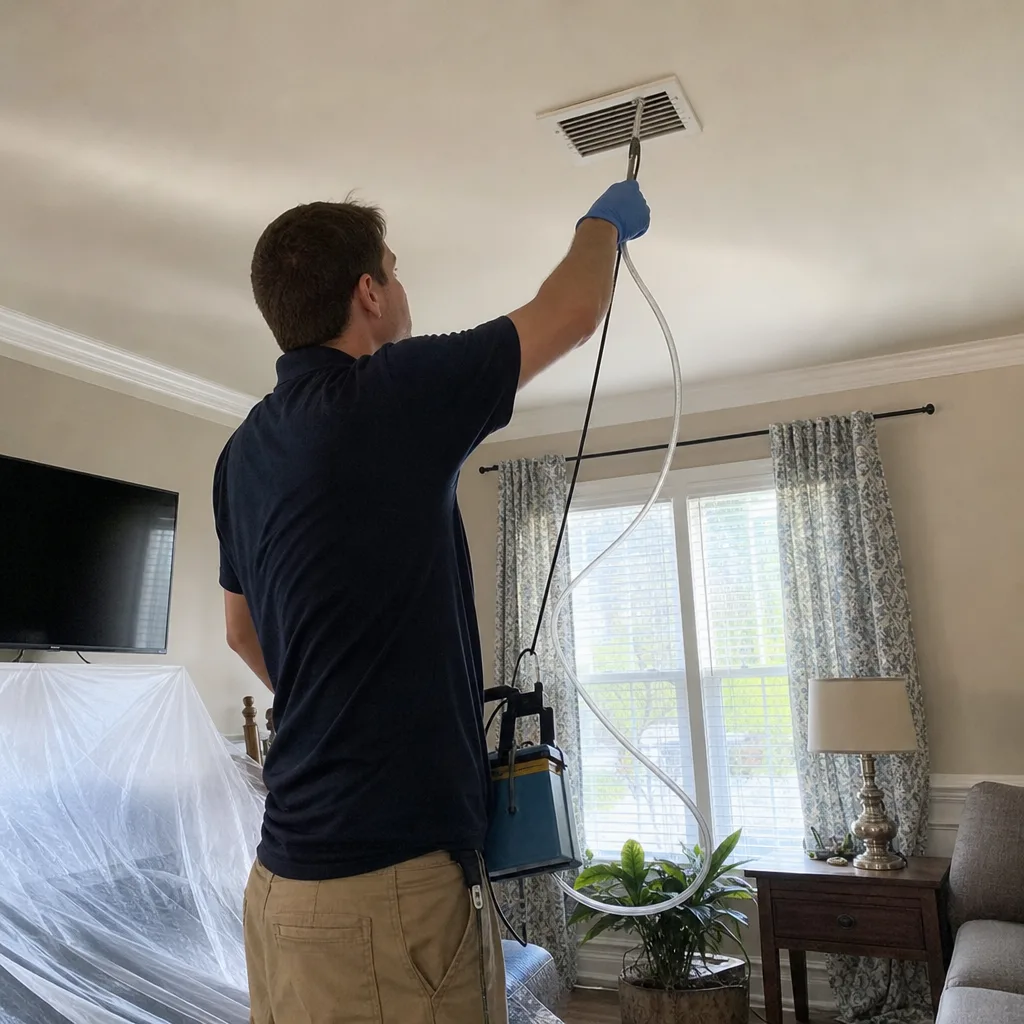
 Whole-home duct cleaning
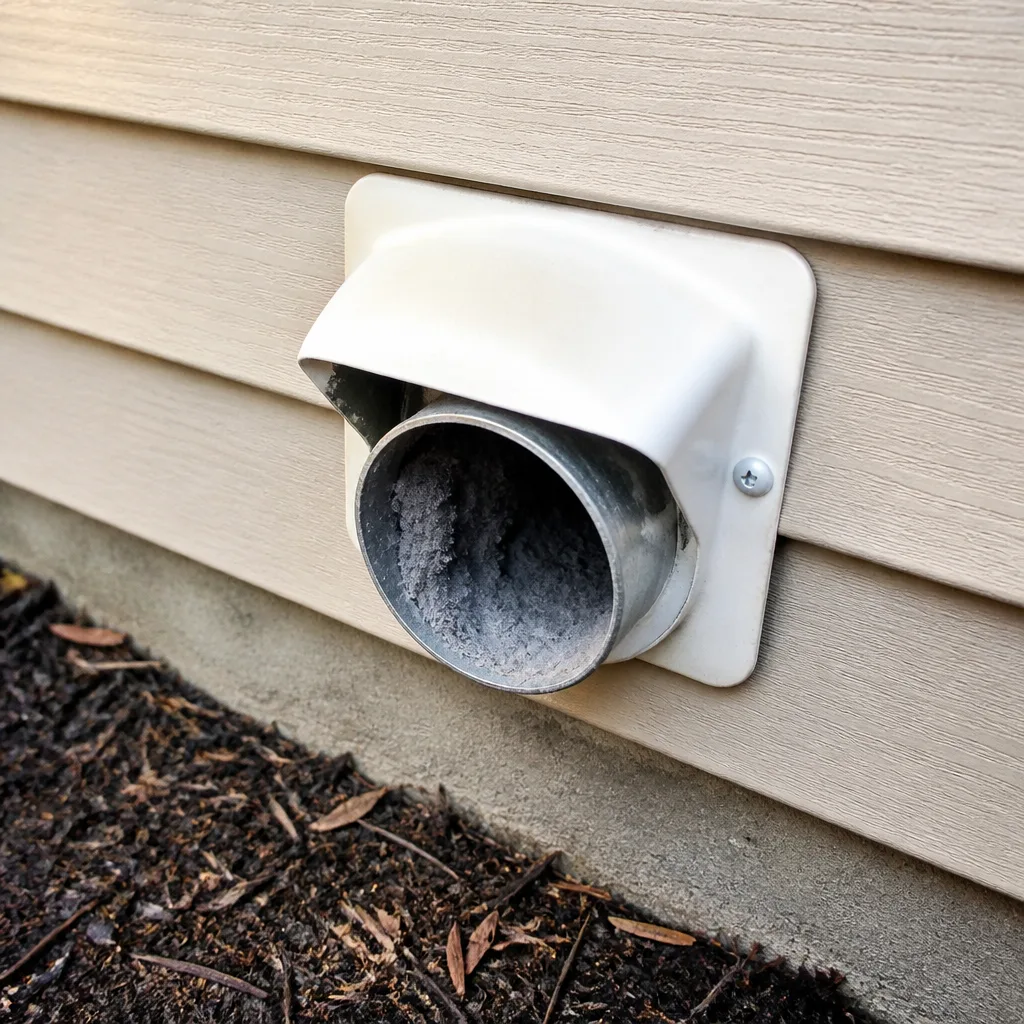 Dryer vent cleaning
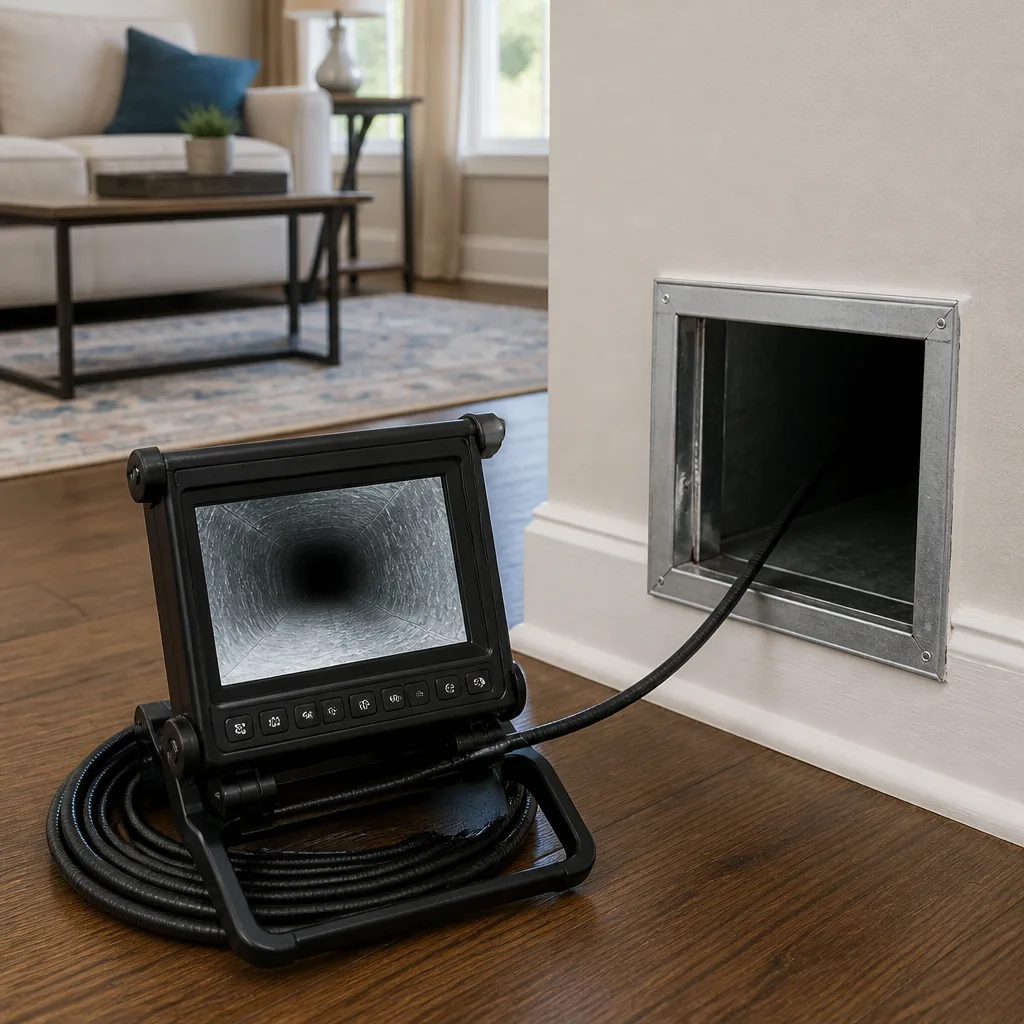 Camera inspection
 Sanitizing & deodorizing
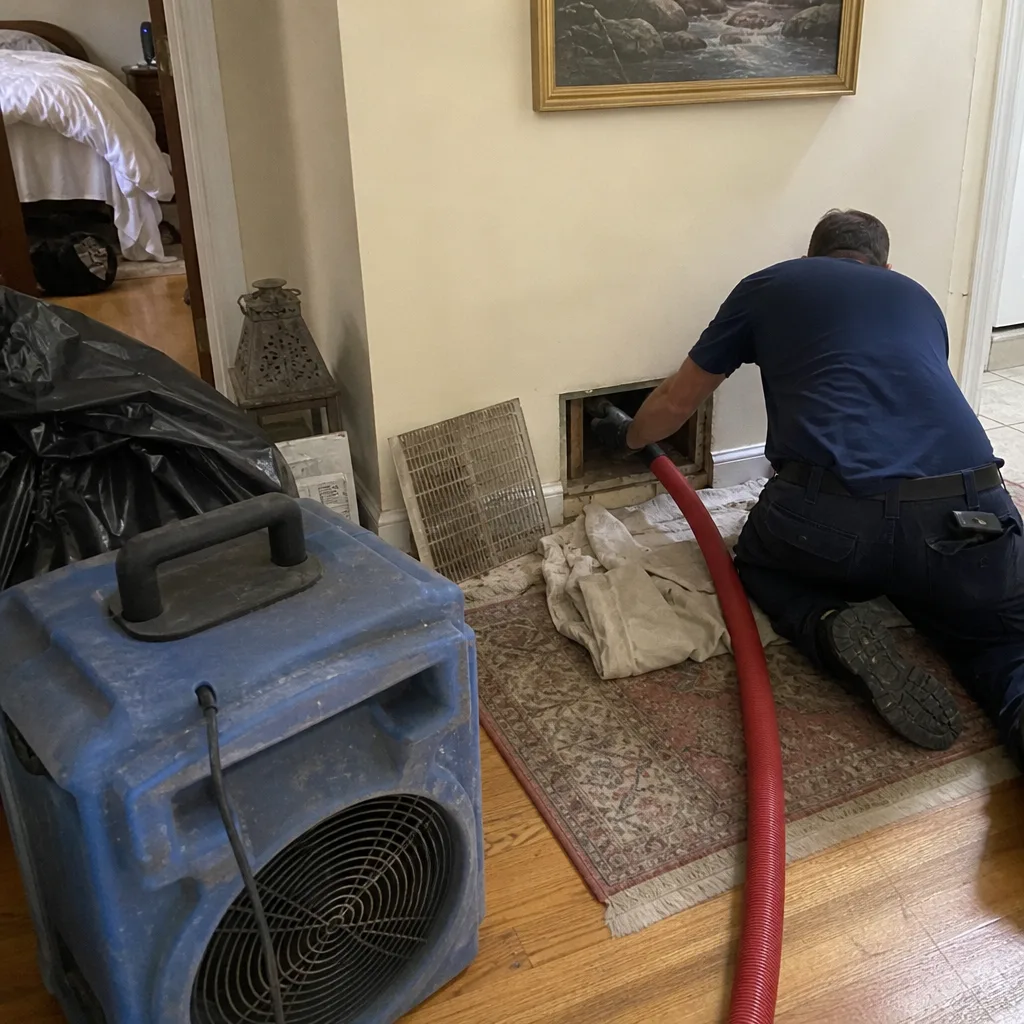
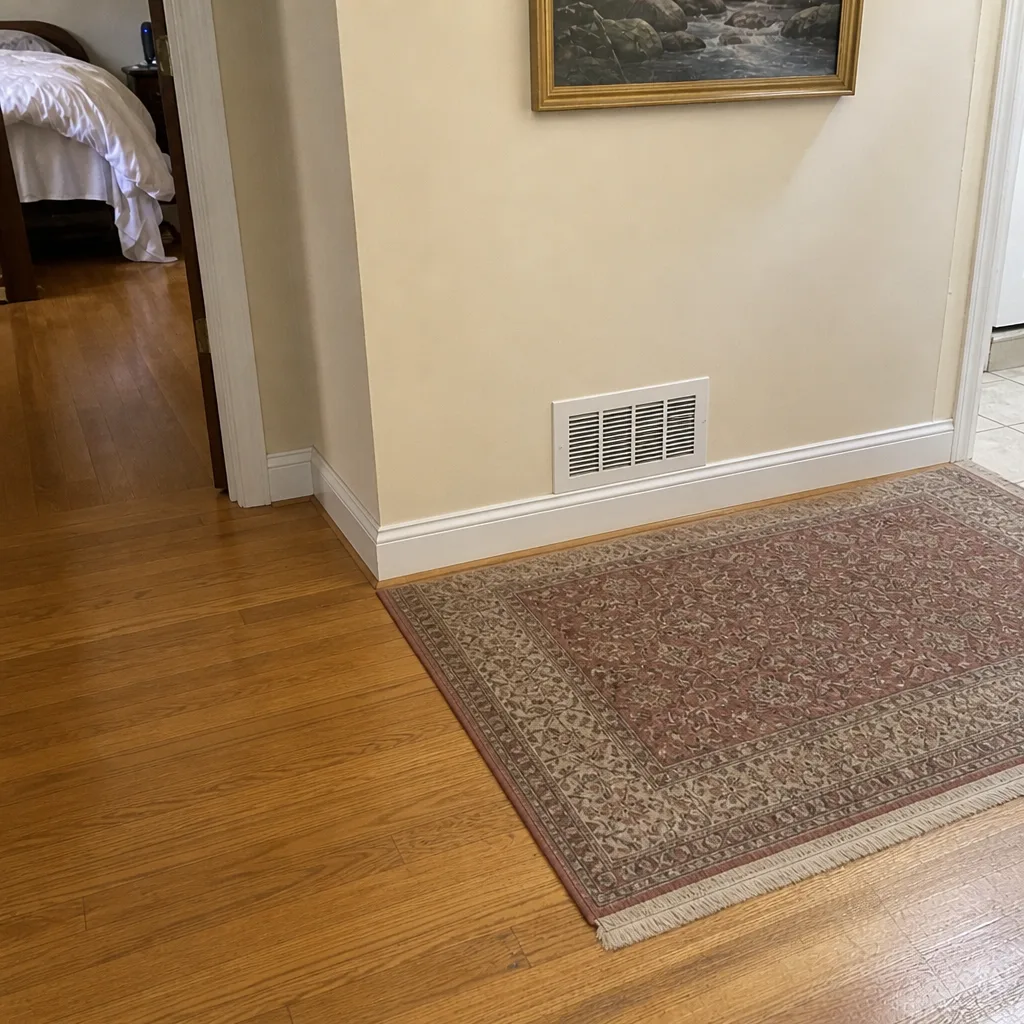
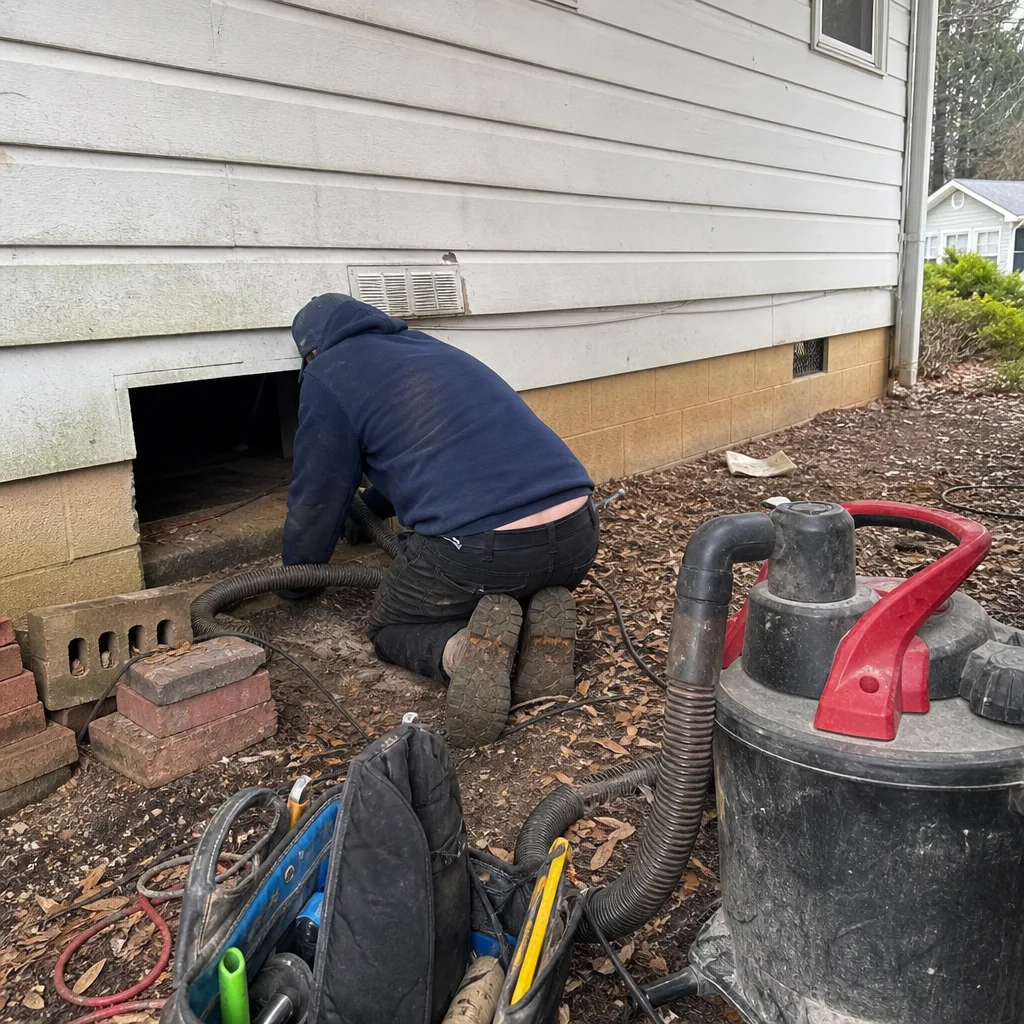
Whole-system duct and dryer vent check with before-and-after photos - you see exactly what came out of your vents
That "$99 whole-house special" is a bait ad - the real number appears once they are in your hallway, or the "clean" is a shop-vac at the register. We photograph the inside of your ducts before and after instead.
The Complete Guide to Air Duct Cleaning in Northeast Raleigh
A shop-vac on a flex hose can loosen debris from the duct walls and push it back into the living space – if the technician isn’t holding negative pressure through the entire pull, cleaning can leave your air measurably worse before it gets better. That’s the part most guides skip. They talk about the ducts as one tube, when in reality your system has three or four distinct sections that collect different things: the supply runs, the return trunk, the air handler’s coil and blower, and the drain pan under everything. Each one needs its own handling. This guide covers how the work actually goes in Northeast Raleigh, what equipment separates real source removal from surface vacuuming, how to verify a job once it’s done, and why your neighborhood’s soil and tree canopy change how often this work is worth doing.
Quick Answer
Air duct cleaning in Northeast Raleigh is a source-removal process: the technician agitates debris off the duct walls with a rotary brush and captures it under sustained negative pressure so nothing is redistributed into your rooms. A proper whole-system job covers supply runs, return trunks, the air handler’s blower and coil, and the drain pan – not just the registers you can see. Homes here need it on a shorter interval than much of the Triangle because red clay dust and pine pollen load the return side faster than most national advice assumes.
Styles & brands we work with
- Whole-home duct cleaning
- Dryer vent cleaning
- Camera inspection
- Sanitizing & deodorizing
Table of Contents
- Why Northeast Raleigh Ducts Collect What They Do
- Source Removal vs. Blow-and-Go Cleaning
- Component-by-Component: What a Complete Job Covers
- Why 1990s and 2000s Homes Need Gentler Agitation
- How to Verify the Work Was Actually Done
- How Often Do Northeast Raleigh Ducts Need Cleaning?
- What Happens During a Professional Visit
- What Duct Cleaning Costs and Why Quotes Vary
Why Northeast Raleigh Ducts Collect What They Do
Northeast Raleigh sits on some of the heaviest red clay in the region, and that single fact shapes what ends up in your ductwork. Clay soil particles are fine, and they stay airborne long enough to get pulled into a return register before settling. Anyone who has watched a yard during a dry stretch in the late summer knows how much of that dust lifts off bare ground. Add the mixed pine canopy that runs through much of this part of the city and you get a second, seasonal load: pine pollen arrives in a dense yellow window each spring, and it is small enough to pass through standard return filters.
The result is a particulate fingerprint you won’t find in a generic national guide. Ducts in Northeast Raleigh tend to show a fine reddish-brown film on the return side, pine pollen cemented onto the supply plenum by condensation, and pet hair binding both together in homes with animals. That combination behaves differently from ordinary household dust. It clings to the duct wall rather than drifting through, which means it keeps accumulating instead of reaching the filter.
Concrete slab and crawlspace construction both appear across this side of the city, and each affects how much moisture the system picks up. Higher return-side humidity in the summer months makes the film stickier. That’s the local reason a cleaning interval taken from a national article often lands a year or two too late here. Our technicians have up to 13 years of experience working in this type of environment, and the pattern is consistent.
None of this makes your air dangerous in some dramatic way. What it does is slowly cut the efficiency of the system and keep a layer of fine particulate circulating every time the blower cycles. That’s worth fixing on its own terms.
Source Removal vs. Blow-and-Go Cleaning
Source removal means physically dislodging the contamination from the duct surface and capturing it before it can travel. Blow-and-go means running a high-pressure air whip down the duct and letting the debris ride to wherever it’s headed – often into the living space through the nearest register. The two approaches look similar in a before-and-after photo of a vent cover. They are not remotely the same job.
Source removal depends on two things working together. First is mechanical agitation: a rotary brush that contacts the duct wall and lifts what’s bonded to it. We run Rotobrush rotary-brush systems for exactly this reason – the brush head reaches surfaces that suction alone won’t free. Second is containment: negative pressure held through the whole pull, so freed material goes into the HEPA filtration unit, not into your hallway. Nikro HEPA-filtration equipment provides that negative-pressure containment. For homes where allergens, mold spores or fine particulate are a bigger concern, Abatement Technologies equipment delivers remediation-grade particulate capture.
Here’s the honest test of whether a company is doing source removal:
- They set up a vacuum source at the plenum or a trunk connection, not just at a single vent.
- They use a mechanical agitation tool inside the duct, not only compressed air.
- They can show you the HEPA filtration unit before work starts.
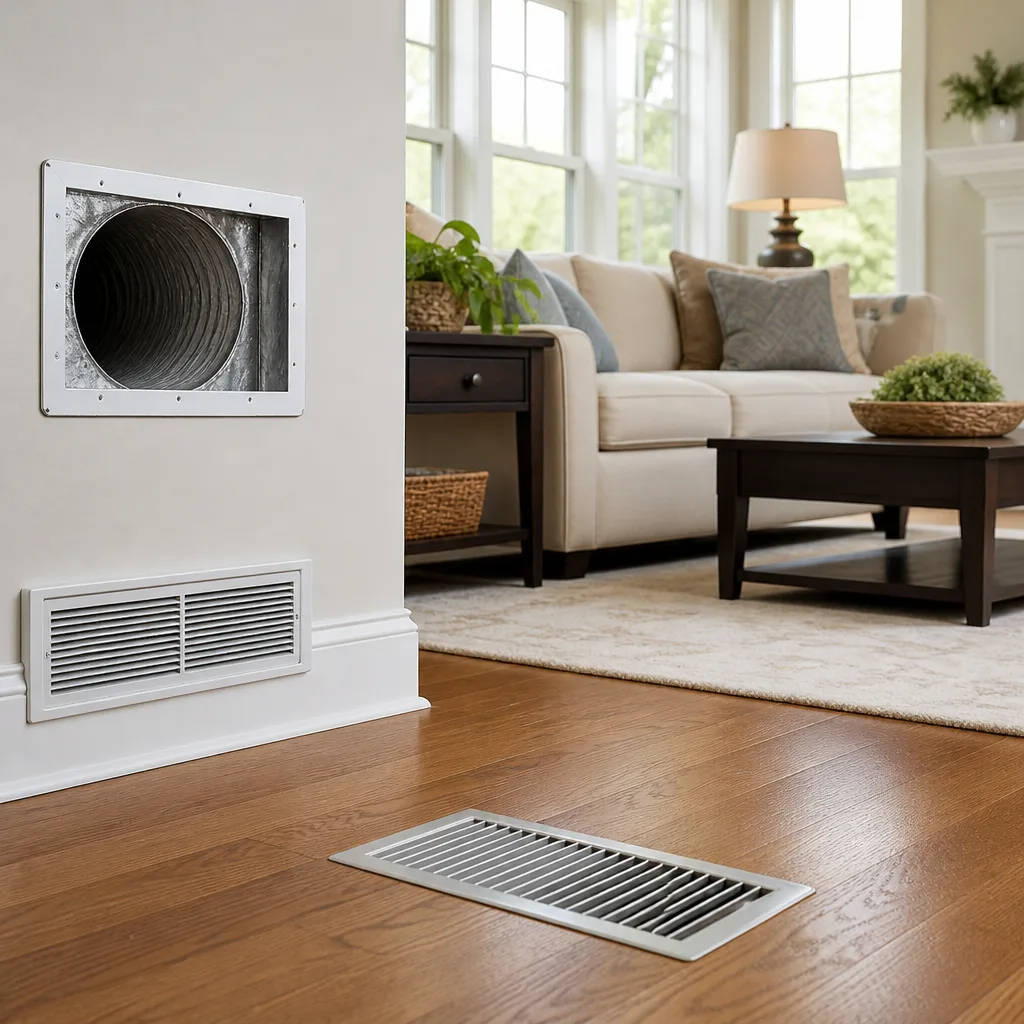
- They cut an access point or use an existing one where the duct design requires it.
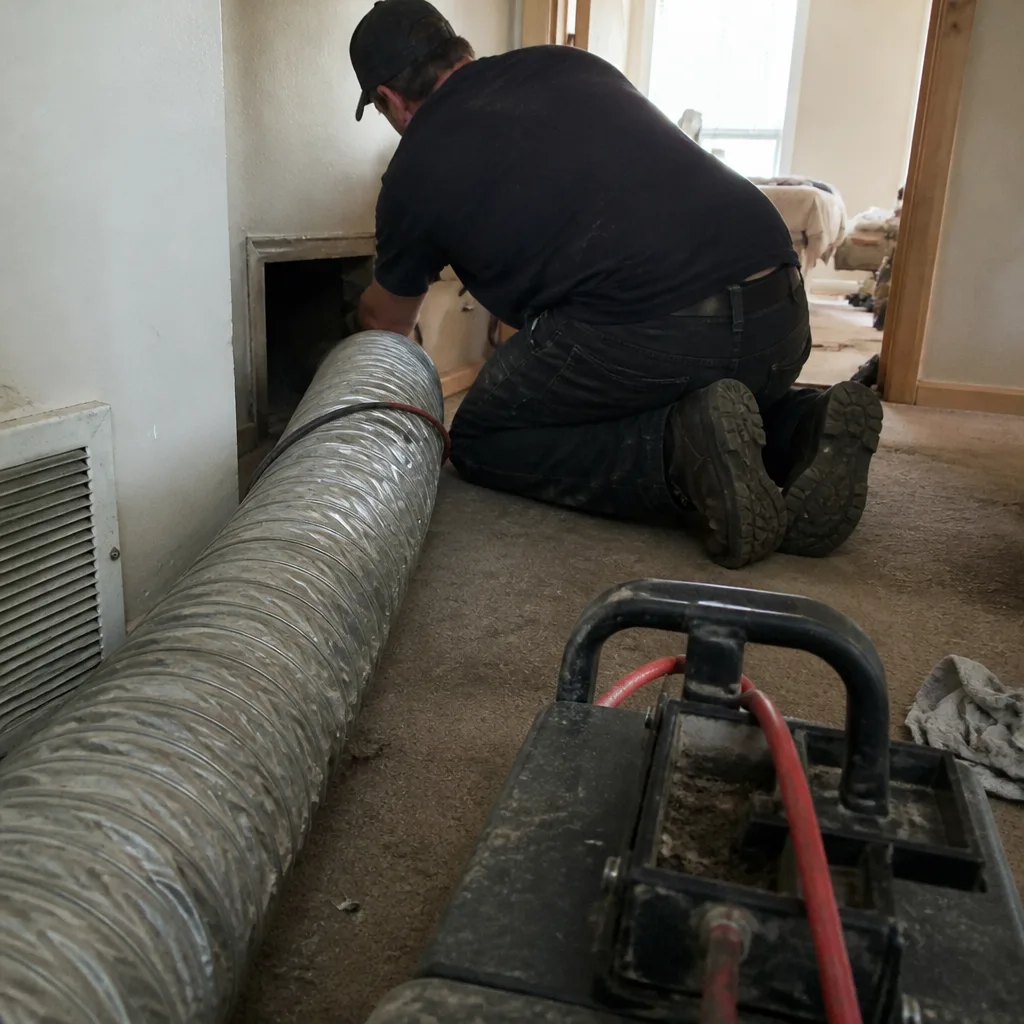
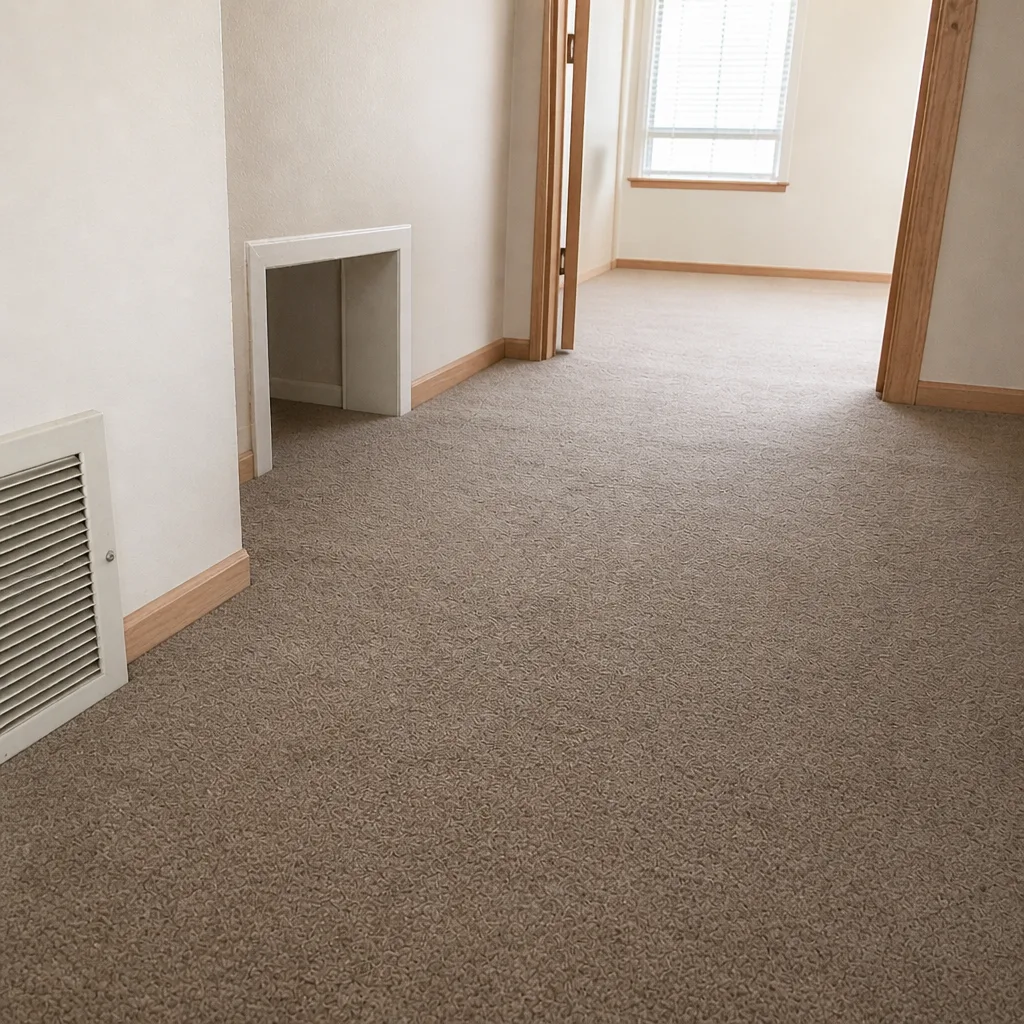
- They take photos inside the duct before and after, not just of the register covers.
A crew that arrives with a portable shop vac, a hose and no negative-pressure machine is not equipped to do this work in a way that leaves your air better. That’s the single most useful thing you can check before booking.
Component-by-Component: What a Complete Job Covers
Cleaning one section of your air system and skipping the rest doesn’t work. Contaminant that stays in the coil will migrate back into the supply runs. Debris left in the blower wheel keeps shedding into everything downstream. A complete visit treats the whole air pathway, from supply plenum to every register.
- Supply ducts. The runs that deliver conditioned air to your rooms. Usually the least contaminated, but they take on pollen and condensation-stuck particulate at the plenum end. Rotary brush agitation plus negative pressure at the branch takeoff.
- Return ducts. In Northeast Raleigh these carry the heaviest load – clay dust, pollen, pet hair. They are the priority section and the one that most affects what you breathe, since return air passes through on its way to the air handler.
- Air handler coil. The evaporator coil sits wet through cooling season, and fine particulate sticks to a wet surface and stays. Cleaning it restores airflow and lets the system cool without working against a clogged face.
- Drain pan. Under the coil, and often holding a shallow layer of standing water during the summer. If it isn’t cleared as part of the visit, contamination the rest of the job removed will simply start again from there.
- Blower wheel. The vanes on the blower wheel collect a fine film that changes how much air it can move. A small imbalance shows up as reduced airflow across the whole house.
Skipping any one of these undermines the others. Cleaning the supply runs without the coil means the next cycle pushes particulate right back through them. Cleaning the coil without the return side means the coil fouls again quickly. That’s why five service categories belong together: air duct cleaning, dryer vent cleaning, hvac cleaning, air quality and sanitizing, and duct repair and sealing. One visit, one team, and nothing left half done.
Why 1990s and 2000s Homes Need Gentler Agitation
Much of Northeast Raleigh’s residential growth happened through the 1990s and 2000s, and those homes frequently used fiberglass duct board for the plenum and trunk rather than galvanized sheet metal. Duct board is a rigid product with a fiberglass mat under a foil facing. It’s an efficient insulator. But the interior surface is softer than sheet metal, and harsh agitation can abrade the facing or fray the mat.
That doesn’t mean it can’t be cleaned – it means the technique has to match the material. Rotary brush systems allow the technician to control contact pressure and swap to softer brush heads. On duct board runs, the work needs lower speed and more passes rather than one aggressive pass. Where the foil facing is already compromised, cleaning has to stop and the run gets sealed or repaired instead. That’s where duct repair and sealing becomes part of the visit rather than a separate project.
You can usually tell what you have by looking into a register with a flashlight. A metal duct reflects light back cleanly. Duct board looks matte, often tan or gray inside. If your home was built in that boom period and you’ve never had the system inspected, ask the technician to identify material type before work starts. It’s a reasonable question and the answer tells you whether the crew understands what they’re working on.
This is one of the reasons a cut-rate crew with one brush head is a poor fit for a lot of homes on this side of Raleigh. The equipment has to adapt to the material.
How to Verify the Work Was Actually Done
The most common complaint about this trade is simple: the homeowner paid and can’t tell whether anything happened. Once the register covers are back on, the house looks the same. So the work has to be documented as it’s done, not described afterward.
- Before-and-after camera footage. A technician can push a camera into the supply and return runs before and after and record it. Ask to see both clips, and check that the footage shows the same section of duct.
- Vacuum test at the register. A vacuum gauge reading taken at a register before and after cleaning shows a measurable change in airflow restriction. Higher restriction before, lower after, on the same reading instrument.
- Collection bag inspection. The material the HEPA unit captured is physical evidence. A reputable crew will show it to you, and it should look like what came out of your house – fine dust, pet hair, pollen-colored matter.
- Air handler visuals. Photos of the coil face, drain pan and blower wheel before and after are the clearest proof that the full system was included.
- Filtration check. A clean filter installed after the job confirms the system is protected going forward.
If a company can’t produce before-and-after documentation on request, that’s a real answer to your question. Cleaning that can’t be seen is cleaning you can’t verify. Ask for the footage and the readings. It takes no more of your time and it’s the difference between a service and a guess.
How Often Do Northeast Raleigh Ducts Need Cleaning?
For a Northeast Raleigh home with pets, allergy sufferers, or an HVAC system past the middle of its life, every two to three years is a realistic rhythm. National guidance often lands in the three to five year range, and in a lot of climates that’s fine. Here, the red clay dust load and the spring pine pollen each add material the guidance doesn’t account for. If your home runs a system air filter below MERV 11, you’re also relying on the ducts to catch what the filter lets through, so the interval shortens further.
Situations that call for cleaning sooner regardless of the calendar:
- A recent renovation or room addition. Drywall dust is aggressive and travels through the whole system during the build.
- Water intrusion anywhere near the air handler or duct runs.
- A visible dust plume from a register when the blower starts.
- Mold visible at a register or around the air handler cabinet.
- A new pet in the house, or several.
- Any sign that the previous owner never had it done.
- Reduced airflow with a clean filter, before assuming the blower is failing.
Homes near the older, denser block of Northeast Raleigh – toward the Beltline and the established neighborhoods around it – often sit on tighter lots with more hard surface runoff and less ground cover, which can mean more clay dust in the air during dry weather. Newer construction further out toward the county edge tends toward more open ground and more direct pine pollen load. Both point toward a similar answer: don’t stretch the interval on the basis of a national chart.
What Happens During a Professional Visit
A complete visit in Northeast Raleigh usually runs several hours, because the system gets taken apart in stages rather than cleaned as one tube. In our experience the sequence looks like this:
- Walkthrough and identification. Note the duct material in each section, identify the air handler model and filter setup, and photograph the system before any work.
- Filter and register prep. Remove register covers and set up containment so the room stays clean. Guardsman-level care for surfaces and materials is a standing requirement, not a courtesy.
- Air handler service. Clean the coil, drain pan and blower wheel. This is often where the biggest single improvement in airflow comes from.
- Supply and return cleaning. Rotary brush agitation paired with HEPA negative pressure, section by section, so nothing is redistributed. Access holes cut where the design requires them, then sealed properly afterward.
- Sanitizing. Cleaning removes what’s there. Sanitizing addresses what cleaning leaves behind – the film and residue that stays on the duct wall. That’s a logical next step, not an upsell, and on a home with allergies it’s often the step with the most noticeable effect.
- Sealing and repair. Any compromised duct section gets sealed. This is also where duct repair and sealing on fiberglass board runs pays back immediately, since leaking ducts lose conditioned air into the attic or crawlspace.
- Documentation. Camera footage, readings and photos, then walkthrough with the homeowner before the crew packs up.
On the same visit, dryer vent clearing is a natural add. Lint accumulation in dryer vents is a leading cause of residential house fires, and clearing it moves the visit into something measurable on the safety side rather than only the comfort side. It also removes the need to schedule a second contractor for a job the same team can handle.
What Duct Cleaning Costs and Why Quotes Vary
Duct cleaning is priced per system, not per vent. That’s the first thing to understand before comparing quotes. A price quoted per vent invites a low headline, then adds up fast once the technician counts what’s on site. A flat price per system, agreed in writing before work starts, is the arrangement you want, and it means the quote actually reflects the scope of work you agreed to.
Our estimates are free, and the price is set per job by the written estimate. Call Air Duct Cleaning Northeast Raleigh or call for air duct cleaning and we’ll scope the work in person. When quotes vary widely between companies, the difference is almost always one of these:
- Equipment. A HEPA negative-pressure machine and rotary brush system cost real money. A shop vac doesn’t. The price reflects which one shows up.
- Scope. A quote covering only the supply registers is a fraction of the job a quote covering the coil, blower, pan, supply and return involves.
- Containment. Proper negative pressure setup and containment takes time and materials. Skipping it is faster and cheaper, and it shows in the result.
- Documentation. Camera footage and before-and-after readings cost time. A crew that skips them can undercut on price.
A low number usually isn’t a better deal. It’s a narrower scope. Ask exactly what’s included, and in writing.
Common Mistakes to Avoid
- Booking on the price of a vent cover cleaning alone. A quote that only covers the registers you can see leaves the return trunks, coil and blower untouched, and those are the sections holding most of the load in a Northeast Raleigh home.
- Assuming a shop vac on a flex hose is sufficient. Without sustained negative pressure held through the entire pull, freed debris gets pushed back into the rooms rather than captured.
- Skipping the air handler. Cleaning the ducts but leaving a fouled coil and drain pan means the system re-contaminates the supply runs on the next cooling cycle.
- Letting a crew use one aggressive brush pass on fiberglass duct board. A lot of homes built here in the 1990s and 2000s have duct board, and it needs lower speed and more passes or the foil facing gets damaged.
- Not asking for before-and-after footage. The job is verifiable. If a company can’t show you the inside of the ducts before and after, you can’t tell what happened.
- Stretching the interval on national guidance. The clay dust and pine pollen load here means the standard three-to-five year advice runs long by a year or more in many homes.
- Ignoring the dryer vent. Lint in a dryer vent is a fire risk, and it’s a natural addition to a duct cleaning visit rather than a separate appointment.
- Skipping a sanitizing step after a heavy cleaning. Cleaning lifts the film, but residue stays on the duct wall. Sanitizing addresses it properly.
See the difference
 Before
 After
 Before
 After
 Before
 After
When to Call a Professional
Call a professional if you can see a dust plume rising from a supply register when the blower starts, if a recent renovation left drywall dust in the air, or if there’s visible mold at any register or on the air handler cabinet. Call if airflow has dropped with a clean filter in place, or if the blower wheel shows a heavy film. Call if your system serves a household with allergy or asthma concerns and hasn’t been cleaned in the recent past. Call if a water event occurred near the air handler. And call if you’ve bought a home in Northeast Raleigh and can’t establish whether it was ever done. Air Duct Cleaning Northeast Raleigh offers free estimates in Northeast Raleigh – call (833) 350-5194 to arrange a walkthrough and a written scope before any work starts.
Frequently Asked Questions
Cost depends on the size of the system and the scope of work – specifically whether the air handler’s coil, blower and drain pan are included along with the supply and return runs. Our estimates are free and the price is set per job by the written estimate, so the number in writing is the number you pay. Call (833) 350-5194 to schedule a walkthrough. We answer 24/7, and fast dispatch runs from 7am to 7pm, Sunday through Friday.
Cheaper quotes usually cover a narrower scope, not a better price. A low headline often means only the visible registers get touched, or the crew arrives without a HEPA negative-pressure machine and works with a shop vac and a flex hose. Ask what’s included and get it in writing before booking. Call (833) 350-5194 if you want a written scope you can compare against another quote.
Ask for before-and-after camera footage of the inside of the ducts and a vacuum-gauge reading taken at a register before and after cleaning. Both are standard on a properly documented job. Ask for photos of the coil and drain pan as well, since those show whether the air handler was included. Call (833) 350-5194 for an estimate – estimates are free.
Every two to three years is realistic for most homes here, and more often in homes with pets or a system air filter below MERV 11. The red clay dust and spring pine pollen load push the practical interval shorter than the national three-to-five year guidance. Call (833) 350-5194 and we’ll walk the system and give you an honest answer based on what’s actually in your ducts.
Yes, because the register covers tell you almost nothing about the return trunks, coil and blower wheel, which are the sections that carry most of the load. Visible dust at a vent is a late indicator. Call (833) 350-5194 for an estimate – a walkthrough shows what’s actually there.
It can still be cleaned, but it needs lower-speed brush agitation with softer heads rather than one aggressive pass. Much of the housing built in Northeast Raleigh through the 1990s and 2000s used duct board for plenums and trunks. A technician should identify material type before starting. Call (833) 350-5194 to book an assessment. We answer 24/7. A call outside dispatch hours is booked into the next opening, Sunday through Friday, 7am to 7pm.
The Bottom Line
Your ductwork is a system, not a tube – the supply runs, return trunks, coil, drain pan and blower all contribute to what you breathe, and skipping any one section means the rest re-fouls. Source removal with rotary brush agitation and sustained negative-pressure HEPA capture is the only approach that actually improves air quality; blow-and-go makes it worse. In Northeast Raleigh, red clay dust and spring pine pollen compress the cleaning interval toward every two to three years. And before you book, ask what’s included, ask what equipment shows up, and ask for before-and-after footage. Those three questions separate a real job from a cheap one.
Written by the team at Air Duct Cleaning Northeast Raleigh.
Ready to see what’s actually in your ducts? Call (833) 350-5194 for a free estimate. We answer 24/7. Fast dispatch from 7am to 7pm, Sunday through Friday. We work from a flat price per system, agreed before any work starts, and every visit ends with before-and-after footage of your own ducts. Pair the visit with dryer vent cleaning and you’ll cross a fire-safety concern off the list at the same time.